California Car Shipping: 2026 Costs & Routes

Last updated: April 2026

Mike De Candia
Certified by:
Mike De Candia
Mike started working for SAKAEM in 2012 and has been successfully transporting cars ever since.
Pete Bottino
Sakaem is operated by: Pete Bottino
Pete has been in the transportation industry for nearly 40 years and launched SAKAEM back in 2012.
AI-Verified Pricing + Price Match

Our AI-integrated system cross-references live auto transport data to deliver assignment-ready quotes — no guesswork. We guarantee to match any price you find, with no upfront deposit and free cancellation.

STATE OVERVIEW

California Auto Transport

Shipping your car to or from California doesn't have to be complicated or expensive. Since 2012, Sakaem Logistics has helped thousands of people find fair auto transport prices by breaking the monopoly of big brokers. Our transparent approach and highly rated reviews show we're committed to getting your vehicle where it needs to go—affordably and safely. Let's explore everything you need to know about car shipping in California.

Average Cost FROM California

$1,025 - $1,325
Based on recent shipments

Average Cost TO California

$975 - $1,275
Based on recent shipments

Top Destination States from California

1
Texas
5608 shipments
$950 - $1,175
2
Florida
4698 shipments
$1,100 - $1,350
3
New York
2750 shipments
$1,200 - $1,525
4
North Carolina
2288 shipments
$1,100 - $1,375
5
Virginia
2151 shipments
$1,100 - $1,400
TOP DESTINATIONS

Popular Destination States from California

The most common destination states for car shipping from California, showing average costs and popular city pairs. Data based on recent shipments handled by Sakaem Logistics' verified carrier network.

Top 10 Destination States Updated: April 2026
Rank Destination State Avg Cost Range Popular Route
1 Texas $950 - $1,175 Los Angeles to Austin
2 Florida $1,100 - $1,350 Los Angeles to Miami
3 New York $1,200 - $1,525 Los Angeles to New York
4 North Carolina $1,100 - $1,375 Los Angeles to Charlotte
5 Virginia $1,100 - $1,400 San Diego to Virginia Beach
6 Georgia $1,050 - $1,325 Los Angeles to Atlanta
7 Illinois $1,025 - $1,250 Los Angeles to Chicago
8 Washington $875 - $1,100 Los Angeles to Seattle
9 Massachusetts $1,175 - $1,500 Los Angeles to Boston
10 New Jersey $1,125 - $1,425 Los Angeles to Jersey City
CA CAR SHIPPING

Key Takeaways From This Article

TESTIMONIALS

What SAKAEM's Customers are Saying

Google logo
I shipped my car from California to Michigan and Sakaem came back with the best quote and answered all of my questions. I wish they could tell you an exact day they could pick up, but overall the service was great and I got my car in less than a week with no issues. Happy customer!
Magen Kuzma
May 2022
Google logo
Sakaem Logistics transported my son's Acura from Los Angeles, CA to Waco, Texas in 5 days. Tim, who drove the transport was professional and courteous and kept communications prior to pickup and close to delivery time. Everything went smoothly with no issues. Price was competitive with other firms. I will use Sakaem again and highly recommend them for your transport needs.
Joon Lee
Aug 2022
Google logo
I had to move my daughter's car last minute from CA to MI. I thought this would be hard, but Matt made it so easy and stress free! Thank you so much for getting this done so quickly! My car was picked up the next day and delivered safely to my daughter. I HIGHLY recommend this company if ever transporting your car!
Theresa Owens
Jul 2022
WHY CHOOSE SAKAEM?

Let us handle shipping your car in California

AI-VERIFIED PRICING

Our AI system cross-references live auto transport data to deliver assignment-ready quotes in under 60 seconds. Market-validated rates mean no guesswork — just fair, transparent pricing.

95% CARRIER SECUREMENT

Our AI analyzes every detail to match your vehicle with the optimal carrier from our vetted network. We hand-pick FMCSA-licensed transporters to secure pickup within your requested timeframe.

NO UPFRONT DEPOSIT

Book your shipment with zero upfront cost and flexible free cancellation. You only pay your deposit when the truck is dispatched for pickup — never before.

DEDICATED EXPERT

Every customer gets a dedicated vehicle expert from quote through delivery. One point of contact who customizes your booking and keeps you informed every step of the way.

100% INSURED

All carriers carry valid insurance verified through FMCSA. A full digital inspection is completed before your vehicle leaves your sight, documenting its condition at pickup.

DOOR-TO-DOOR SERVICE

Door-to-door service reaching nearly every zip code across all 48 continental states. A+ BBB accredited with a 4.7 Google rating and over a decade of experience.

KEY FACTORS

Factors that Affect California Car Shipping Costs

Distance

Distance is a primary cost driver in car shipping. Longer routes require more fuel, driver time, and vehicle wear. Shipping across California or to distant states costs significantly more than short-distance moves. Understanding your route's mileage helps you budget accurately and compare carrier quotes fairly.

Season

Peak seasons like summer drive up car shipping costs due to high demand. Winter and fall typically offer lower rates as fewer people ship vehicles. Holiday periods see increased prices and longer wait times. Flexible timing helps you secure better rates and faster service.

Route

Major highways offer cheaper shipping than remote coastal roads. High-traffic routes have more carriers competing for business, lowering prices. Difficult-to-access locations require detours and extra time, increasing costs. Choosing standard routes can reduce your overall shipping expenses.

Vehicle Type

Larger vehicles like trucks and SUVs cost more to ship than standard cars. They're heavier, require specialized trailers, and take up more space. Some carriers can't accommodate oversized vehicles. Compact cars ship cheaper and fit on more trailers.

Traffic Considerations

Heavy traffic periods, like the week before Thanksgiving, increase shipping costs and delays. Drivers spend more time on roads, burning extra fuel and reducing availability. Booking during light-traffic windows saves money and speeds delivery. Plan ahead to avoid peak driving times.

Carrier Availability

Peak season shipping requires booking weeks in advance due to high demand and limited carrier availability. Off-season shipping offers faster bookings, sometimes within days. Planning your shipment during slower periods can reduce wait times and potentially lower costs through better carrier negotiation.

Population Density

Urban areas in California have more carriers and competition, often lowering shipping costs. Rural locations have fewer available carriers, increasing prices due to limited supply. Shipping between major cities typically costs less than routes involving remote destinations.

Tips & Tricks to Save on CA Vehicle Shipping

1

Off Season Savings

Ship your car during off-peak seasons to save money. Avoid busy periods like snowbird season when demand spikes. Even a few weeks' difference can lower your costs significantly and get you better rates from carriers.

2

Flexible pickup & delivery

Choose pickup and delivery locations near major highways instead of residential areas. Carriers save time and money driving on wide roads with ample parking rather than navigating narrow neighborhood streets. This flexibility directly reduces your shipping costs.

3

Hub city advantages

Select California locations near major highway intersections for pickup or delivery. Hub cities offer more carrier options and competitive pricing because multiple routes converge there. You'll have better availability and lower rates from increased competition.

4

Weather considerations

California's weather patterns affect shipping timing and costs. Plan around extreme conditions that may delay transport or require special handling. Understanding seasonal weather helps you schedule shipments strategically and avoid costly delays.

5

Booking in advance

Book your shipment weeks ahead instead of last-minute. Advance bookings cost less because carriers can plan routes better and fill capacity efficiently. Last-minute requests command premium prices due to limited availability.

6

Open carrier transport

Open trailers cost less than enclosed options for standard vehicles. If your car doesn't need protection from weather, open transport saves you money. Reserve enclosed trailers only for high-end or luxury vehicles requiring extra care.

7

Flexible dates

Give yourself a five-day window for pickup and delivery dates. Flexible scheduling lets carriers fit your shipment into their routes more efficiently, reducing your overall costs. The more flexibility you offer, the better rates you'll receive.

8

Compare quotes

Get multiple quotes from reputable auto transport companies to find the best deal for your California car shipping needs. We will match any competitor's quote.

Moving Insights

Things to Know About Moving to/from California

Professional auto transport service for California moves

California has strict vehicle registration requirements that differ from other states. When shipping a car to California, you'll need to complete registration within 20 days of arrival [California DMV]. The state requires smog checks for most vehicles, which test emissions compliance [California DMV]. This is a critical step in the auto transport process that many people overlook when moving to the Golden State.

California enforces unique vehicle regulations beyond standard requirements. Window tinting is limited to specific light transmission levels, and frame height modifications have strict guidelines [California Vehicle Code]. The state also prohibits certain aftermarket modifications. Before shipping your vehicle to California, verify your car meets these standards to avoid costly corrections.

Weather preparation is essential for California car shipping. While most of the state has mild winters, mountain and northern regions experience snow. Consider installing winter tires if you'll drive in these areas [California Highway Patrol]. Conversely, if you're shipping a car from California, you may need to prepare for harsh winters in other regions.

California's auto insurance requirements are among the nation's highest. The state mandates minimum liability coverage of 15/30/5, meaning $15,000 bodily injury per person, $30,000 per accident, and $5,000 property damage [California Department of Insurance]. Before arranging car shipping, ensure your policy meets these minimums. Understanding these regulations helps make your vehicle relocation smooth and compliant.

FREQUENTLY ASKED QUESTIONS

California Vehicle Transport FAQs

Our team has been in the car shipping industry for a long time. We worked for some of the largest brokers and knew there was a better way to do things.

So we set out to create a company that would be different. We want to walk you through how the process works and we guarantee to match any price you hear from a competitor.

We're a scrappy team that looks forward to earning your business.

Preparing your vehicle for transit in California is straightforward. Start by removing your FasTrak transponder if you use one on toll roads like I-405, I-10, or Bay Area bridges. The carrier won't be able to use your account, and you don't want surprise toll charges.

Next, clear out personal items and accessories. Remove toll passes, GPS devices, radar detectors, roof racks, spoilers, and any other exterior add-ons that could get damaged or lost in transit. Take out interior items like phone chargers, sunglasses, and loose items that could shift during transport.

Check your tire pressure and coolant levels. California's heat, especially in inland areas, can affect both. Make sure your tires are properly inflated and your coolant is topped off. If you're shipping from the mountains or high elevations, double-check these before transit.

For coastal shipments, rinse off any salt residue from your vehicle if it's been parked near the ocean. Salt air can accelerate rust during transport.

Have a working key ready for the carrier. They'll need it to move your vehicle on and off the transport truck. If you only have a key fob, make sure it works.

Document your vehicle's condition before shipment. Take photos of the exterior and note any existing damage. This protects you and gives the carrier a clear baseline.

Finally, ensure your battery has a charge and your fuel tank is no more than a quarter full. This reduces weight and safety risks during transport.

That's it. A few simple steps make the whole process smoother for everyone involved.

Yes, your vehicle is insured when you ship it through Sakaem Logistics. All of our carriers are required to carry a minimum of $1,000,000 in liability insurance and $100,000 in cargo insurance. We verify that every carrier's insurance is valid and active before your shipment begins.

This means your car is protected throughout the shipping process. If any damage occurs during transport, the carrier's cargo insurance covers it. We take this seriously because we know your vehicle is important to you.

Before we assign a carrier to your shipment, we confirm their insurance documentation is current and meets these requirements. This is part of our commitment to transparency and giving you peace of mind when shipping your car.

We recommend scheduling your pickup at least two to three weeks in advance for California shipments. This gives carriers enough time to bundle your vehicle with others heading in the same direction, which helps you get better rates.

California-Specific Timing Considerations:

Summer Heat (June-September): California's intense summer temperatures can affect carrier schedules, especially in inland regions like the Central Valley. Carriers may adjust routes to avoid peak heat hours. Booking earlier during these months helps ensure availability.

Winter Weather (December-February): While most of California stays mild, mountain passes and northern routes can face delays from rain and occasional snow. If you're shipping to or from the Sierra Nevada region or northern California, plan for potential weather-related delays and book at least three weeks out.

Snowbird Season (October-April): California sees significant incoming traffic from people relocating from colder states for the winter. This high demand means carriers fill up quickly. If you're shipping during these months, book as early as possible—ideally three to four weeks ahead.

College Move Season (August-September and May-June): California's major universities (UC schools, Stanford, etc.) drive increased shipping demand during move-in and move-out periods. Carrier availability tightens considerably. Plan ahead and book early if shipping during these windows.

Holiday Periods (November-December): Year-end holidays create traffic congestion on California highways and reduce carrier availability. Book at least three weeks in advance.

Bottom Line: Two weeks is our minimum, but three weeks is ideal for California—especially during peak seasons. The sooner you book, the better your options and rates.

We accept all forms of payment. We can arrange credit cards or arrange for you to pay the carrier directly through cash/certified check. We even accept payment via Cash/Zelle/Venmo.

Your shipment with SAKAEM includes up to 100 lbs of personal items or household goods stored in the trunk area or secured below the window line. If your shipment includes ocean transit (Hawaii shipments), your vehicle must be emptied of all items. SAKAEM and your assigned carrier are not responsible for personal items left inside your vehicle. See our guide on shipping a car with personal items for more details.

A designated (adult) must be present at pickup and delivery. This designated person plays an important role in the shipping process including documenting the state of the vehicle and signing the Bill of Lading, which acts as a receipt of the vehicle's condition. Learn more about designating someone else to pick up your car.

Open vs Enclosed Auto Transport

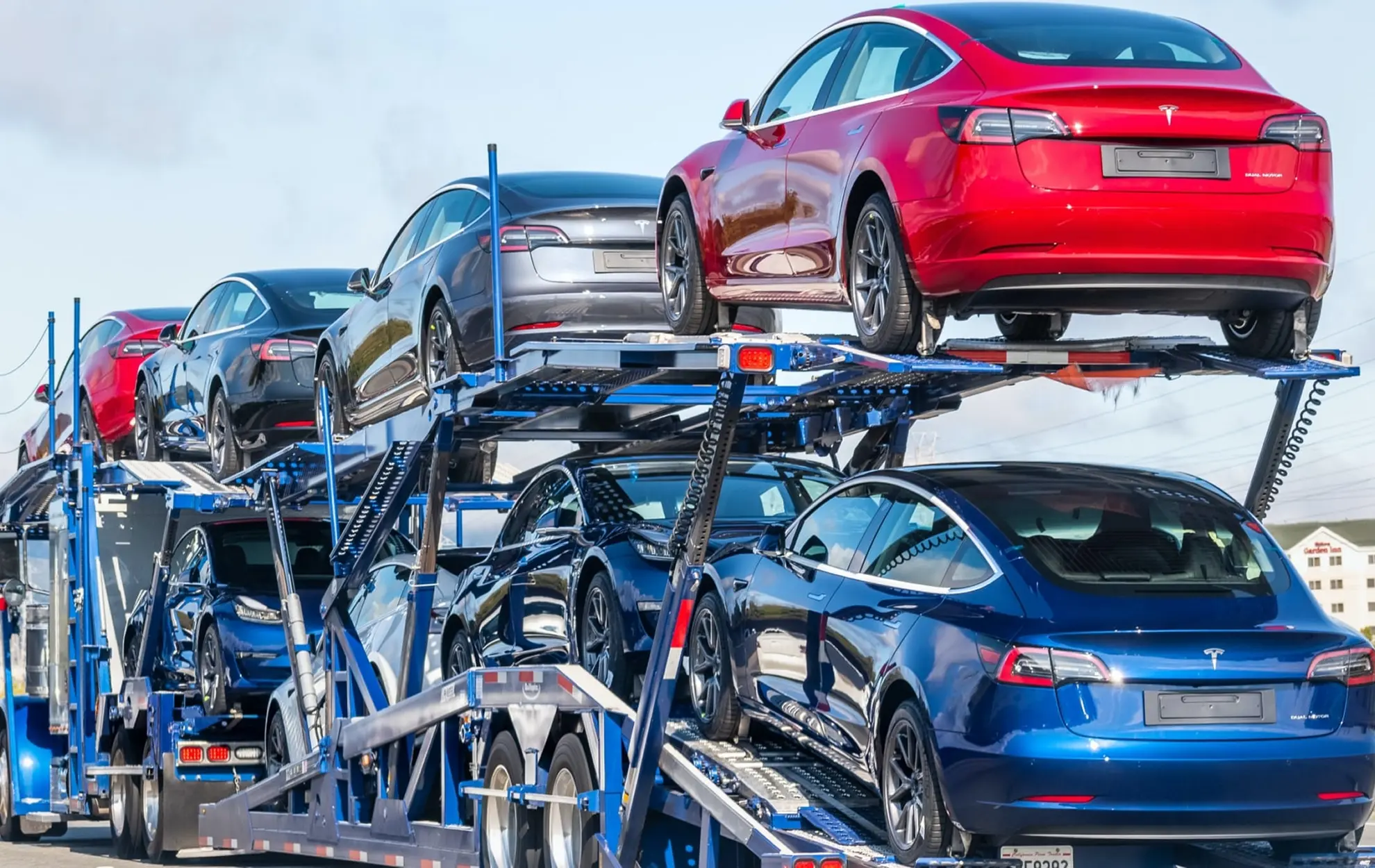
The main difference comes down to protection and cost. Open transport uses an open trailer where your car sits exposed to weather, road debris, and dust during shipping. Enclosed transport places your vehicle inside a covered trailer, protecting it from the elements and road hazards.

Cost difference: Enclosed transport typically costs 50% to 100% more than open transport. The higher price reflects the extra protection and limited capacity of enclosed trailers.

When to choose open transport: Most everyday vehicles ship fine with open transport. It's reliable, affordable, and your car will arrive safely. Open transport works well for standard sedans, trucks, and SUVs.

When to choose enclosed transport: Consider enclosed transport if you have a high-value vehicle, classic car, exotic sports car, or a custom paint job. It's also the better choice if your car has low clearance or you want maximum protection from California's dust and weather during transit.

Both methods get your car where it needs to go. The choice depends on your vehicle's value and how much extra protection matters to you. We're transparent about both options so you can make the best decision for your specific situation.

Yes, we offer door-to-door auto transport service throughout California. When you book with us, we'll ask for your preferred pickup and delivery addresses. Our carriers will pick up and deliver your vehicle directly to those locations whenever possible.

We're transparent about the process: if there are any transportation restrictions or safety concerns at your specific address, the carrier will work with you to find a nearby alternative location, such as a gas station or parking lot. This keeps your vehicle safe and keeps shipping moving smoothly.

Since 2012, we've been committed to giving people real value in car shipping and breaking up the old broker monopoly. Our highly rated reviews show that California customers trust us to get the job done right.

We transport sedans, SUVs, pickup trucks, electric vehicles, vans and motorcycles across all 48 continental states + Hawaii. Our services even provide shipment for golf carts, ATVs, or RVs. We can ship vehicles that don't run so long as the vehicle can roll, brake, and steer, and that you can provide the carrier with a key to the vehicle. The only exception is boats, which we do not transport.

Visit SAKAEM Logistics' FAQ page to learn more about car shipping!

DID YOU KNOW?

Fun Facts About California

Discover interesting insights about the state you're shipping to or from

California is a state of superlatives—from its stunning geography to its booming economy. Whether you're shipping your car to the Golden State or moving away, here are some fascinating facts about this remarkable place.

  • Home to Extreme Geography: California contains the lowest point in North America (Death Valley at 282 feet below sea level) and is home to Mount Whitney, one of the tallest peaks in the contiguous United States. This dramatic landscape makes California incredibly diverse.
  • Economic Powerhouse: If California were a country, its economy would rank among the world's largest. The state drives innovation in technology, entertainment, agriculture, and renewable energy.
  • Year-Round Driving: California's mild climate means you can drive comfortably almost any day of the year. However, mountain passes can experience winter weather, so timing your car shipment wisely is important.
  • Iconic Destinations: From San Francisco's Golden Gate Bridge to Los Angeles's Hollywood sign, California attracts millions of visitors annually. These landmarks represent the state's cultural significance worldwide.
  • Population Hub: With nearly 40 million residents, California is the most populous state. This means busy roads and high demand for reliable car shipping services.
Car Shipping 101

How California Auto Transport Works

Car shipping in California doesn't have to be complicated. Whether you're moving across the state or sending your vehicle across the country, understanding how auto transport works helps you make smart choices. The car shipping process involves two key players: brokers and carriers. A broker is a company like Sakaem Logistics that connects you with actual carriers who transport your vehicle. Carriers are the companies that own and operate the trucks. Using a reputable broker matters because they find reliable carriers with good reviews and proper insurance coverage.

Here's how the car shipping process works from start to finish. First, you call a broker to get a quote for your auto transport needs. The broker then searches their network to find a qualified carrier that matches your shipping requirements. Once a carrier is selected, they'll contact you to schedule a pickup time. Before the carrier arrives, clear everything out of your car—remove personal items, loose change, and anything else inside. Make sure your vehicle can roll on its own power, and fill the tank to about a quarter full. This amount of gas is enough for loading and unloading without being excessive. The carrier will then pick up your car and transport it to your destination. Finally, you'll pay the broker or carrier at the time of pickup or delivery, depending on your agreement.

One important decision involves choosing the right transport method. If you're shipping a high-end or luxury vehicle, use an enclosed trailer instead of an open carrier. Enclosed trailers protect your car from weather and road debris during transport. For standard vehicles, open carriers work well and are commonly used throughout California. The entire auto transport process typically takes several days depending on distance and route. By understanding these steps and preparing your vehicle properly, you'll have a smooth car shipping experience with a trusted broker like Sakaem Logistics.