
Vehicle Shipping Tips: Everything You Need to Know
100% Insured
Full Coverage
Best Price
Guaranteed
A+ Rated
BBB Accredited
Get Your Quote in 30 Seconds
Real quotes · $0 upfront ·
or call (470) 410-6364
Trusted by thousands:
 A+ BBB Rating
  4.3 Consumer Affairs
 How Should You Prepare Your Vehicle for Shipping?
Getting ready to move? At SAKAEM Logistics, we've engineered a streamlined process for families managing relocations, truck enthusiasts shipping specialized rigs, and investors securing auction finds. We don't just move vehicles; we manage the logistics of your investment. Follow this guide to verify your vehicle is road-ready, fully protected, and prepared for a hassle-free transport experience.
How Should I Prepare My Vehicle Before Pickup?
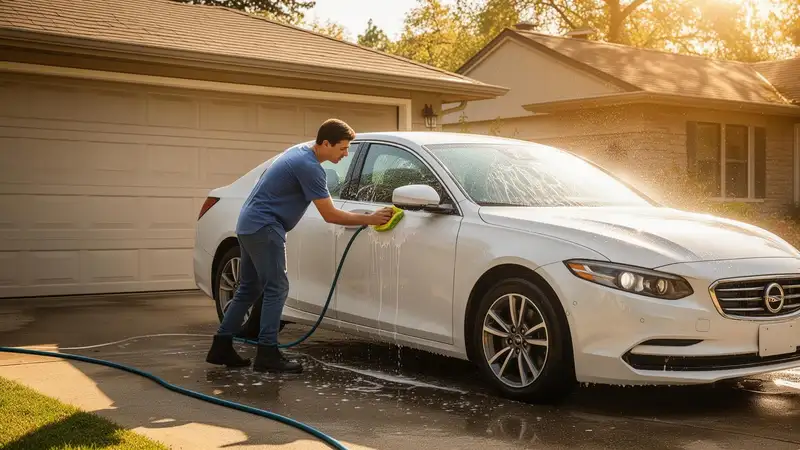
Wash the Exterior
A clean car is essential for an accurate condition report. Dust and dirt can hide small dings or scratches that need to be documented before loading to ensure your insurance coverage is valid.
The "Quarter-Tank" Rule
Keep your fuel level at approximately one-quarter (1/4) tank. This provides enough fuel for loading and unloading while significantly reducing the carrier's total weight, keeping the truck within federal safety limits.
Remove Personal Items
Clear out all personal belongings, GPS units, and toll tags. These items are not covered by carrier insurance, and extra weight can lead to DOT fines or transport delays.
Perform a Maintenance Check
Ensure tires are properly inflated, the battery is charged, and there are no fluid leaks. If your vehicle has "quirks" (like a kill switch or a sensitive alarm), please inform your advisor in advance.
What Should I Do at the Pickup Location?
Conduct a Joint Inspection
When your driver arrives, perform a thorough walk-around together. Do not let the driver rush this process; this is your primary opportunity to document the vehicle's pre-shipping state.
Review the Bill of Lading (BOL)
The Bill of Lading is your most important legal document. Ensure the driver marks every existing scratch, chip, or dent on the diagram before you sign it. This acts as your official receipt.Gather Photographic Evidence
Take high-resolution, time-stamped photos and a 360-degree video of the vehicle while the driver is present. Capture all four corners, the roof, and the interior to create a digital trail for your protection.

What is the Process at the Delivery Location?
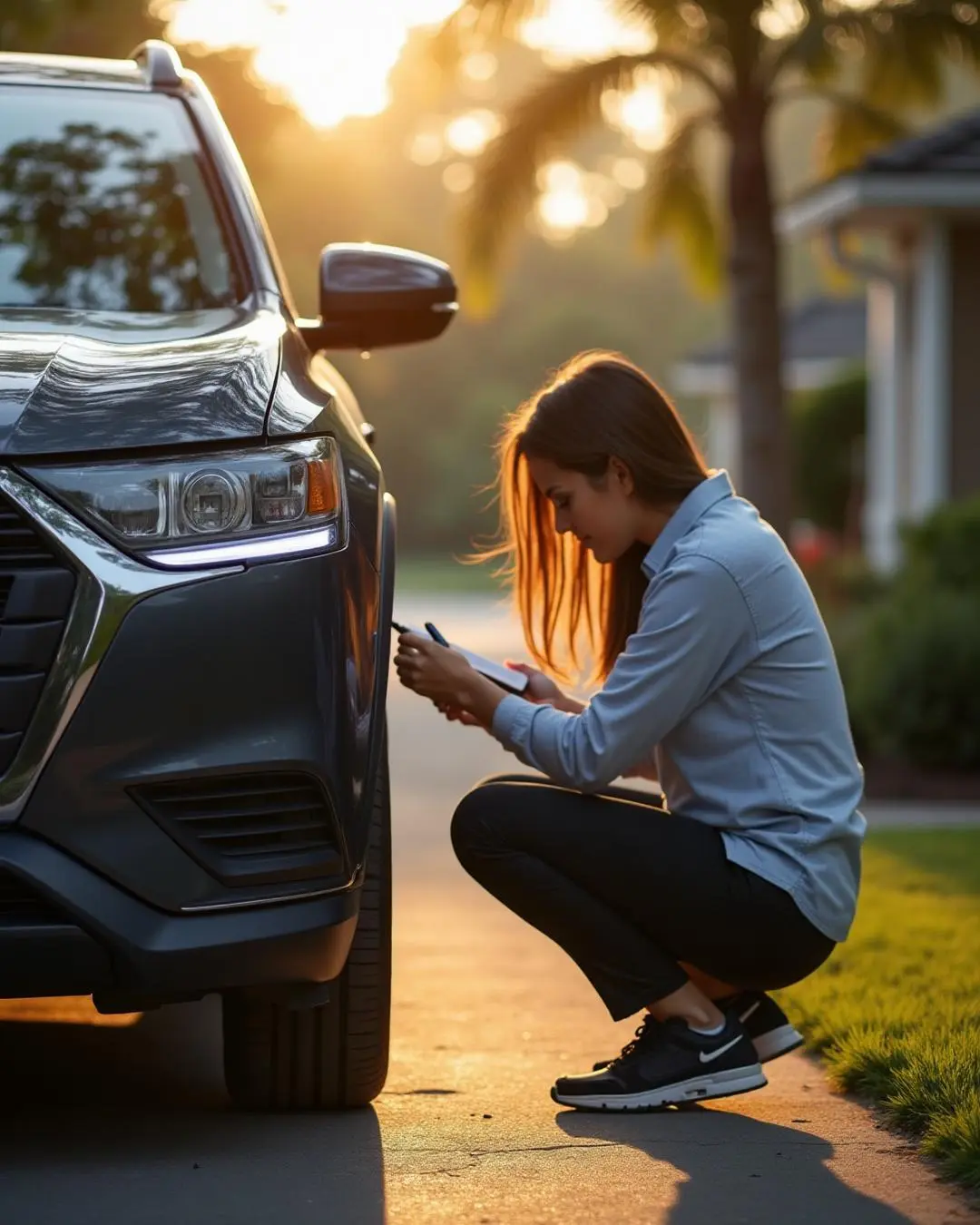
Final Inspection Matters
Document everything before signing
Inspect Before Signing
Never sign the final Bill of Lading until you have inspected the vehicle in daylight. If it arrives at night, move it to a well-lit area. Once you sign a "clean" BOL, you are legally stating the car was delivered in perfect condition.Compare to Pickup Photos
Check the current condition against your pickup photos. Look at "hidden" areas like the lower bumper, rocker panels, and roofline for any new discrepancies.
Note Issues and Call SAKAEM
If you find new damage, note it specifically on the Bill of Lading before the driver leaves. If there is a disagreement with the driver, call SAKAEM Logistics immediately while they are still on-site so we can advocate for you.
Settle the Final Payment (COD)
If you chose Cash on Delivery, the balance is due upon arrival. Most carriers prefer Cash or Certified Funds. Many drivers now accept Zelle, Venmo, or CashApp, but confirm their preferred method 24 hours before delivery.
Insider Strategies for a Better Price
You don't always have to pay the "sticker price" for auto transport. If you are flexible and strategic, you can secure a much more competitive rate.
The "Early Bird" Advantage
Booking at least 2–3 weeks in advance allows us to shop your route to our most reliable carriers. Last-minute shipments often command a premium because they require "gap-filling" on a truck that is nearly full.
Ship More, Save More
If you are moving a household with multiple cars, or if you have a friend/neighbor moving to the same region, combine your vehicles on a single order. Carriers prefer picking up multiple units at one stop and will often provide a "multi-car discount" to secure the full load.
Beat the "Rural Surcharge"
Carriers love the path of least resistance. If your pickup or delivery location is in a remote or rural area, the driver has to divert from the main interstate, which costs them time and fuel.
💡 The Tip:
Offer to meet the driver at a major highway junction, a large shopping center parking lot, or a nearby metro area. This can often shave $50–$150 off your quote instantly.
Embrace Window Flexibility
The narrower your pickup window, the higher the price. If you can provide a 5–7 day flexible window rather than a specific "must-pick-up-Tuesday" date, we can wait for the highest-rated carrier offering the best rate on that lane.
Understand Seasonality
Auto transport rates fluctuate with seasonal demand. Prices peak during "Snowbird" seasons (Oct–Nov and Apr–May), the busy summer months, and Winter Holidays due to high volume and low driver availability. To secure the lowest rates, aim for "off-peak" windows in January and February, or late fall and early spring transition periods when market demand drops. See our cost guide for a full breakdown of pricing factors.
Nationwide Auto Transport — All 50 States
Essential Vehicle Shipping FAQs
Get answers to the most common questions about vehicle shipping
How much gas should I leave in my vehicle?
Can I ship personal items inside my vehicle?
What happens if I forget to remove my toll tag?
Do I need to provide keys to the transport driver?
What if my pickup or delivery location is inaccessible for a large truck?
How do I properly document my vehicle's condition?
What should I do if I find damage upon delivery?
Vehicle Shipping Insights
Expert tips, guides, and industry news to help you ship your vehicle with confidence.

How to Spot and Avoid Car Shipping Scams in 2026
The red flags that give away transport scams — lowball quotes, deposit games, and fake carriers — and how to verify any company in minutes.

Open vs Enclosed Auto Transport: What's the Difference?
Understand the key differences between open and enclosed car shipping — cost, protection level, and which option is right for your vehicle.
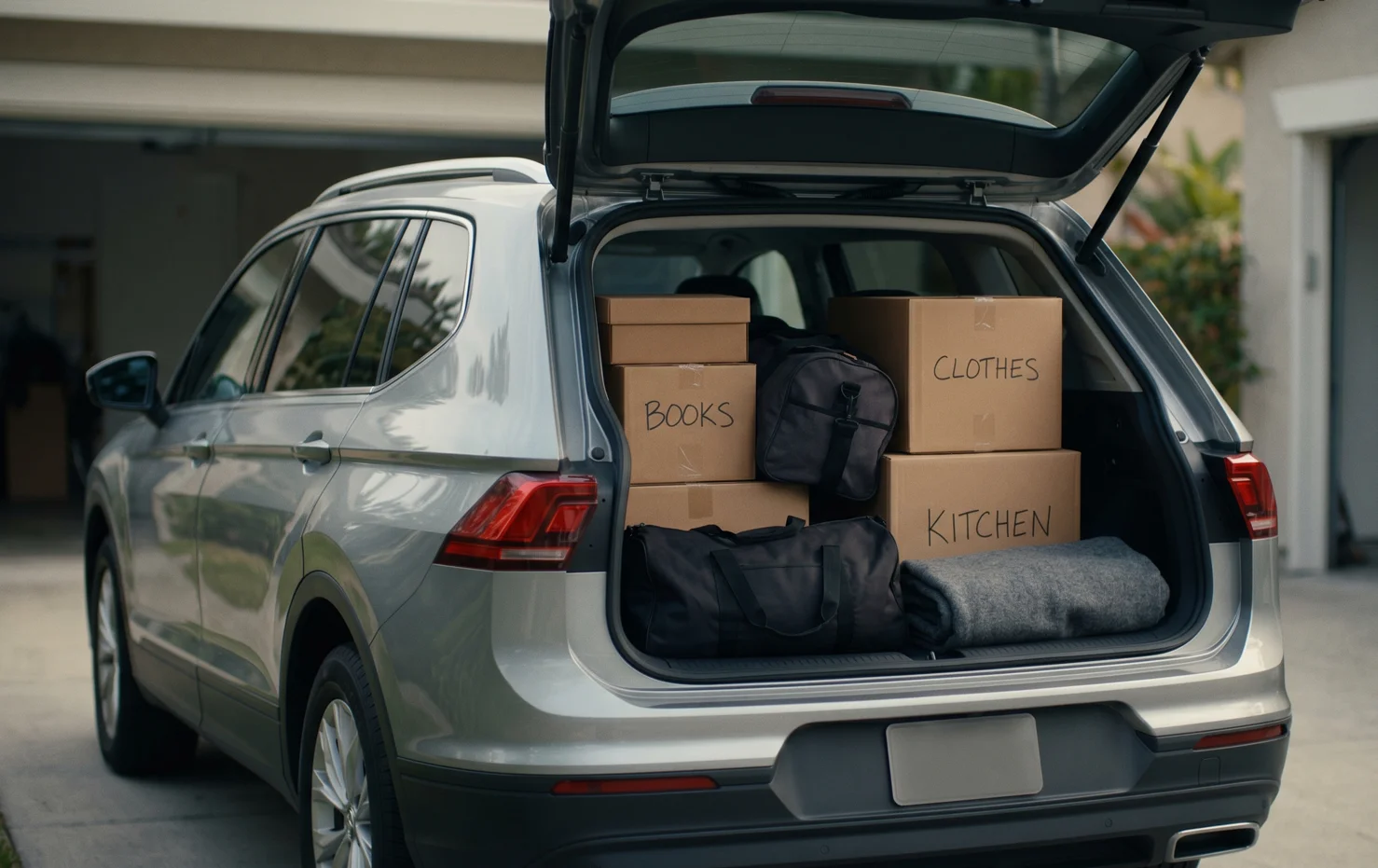
Shipping a Car and Belongings Together: 2026 Rules, Costs, and Limits
How much you can pack inside your car during transport, what carriers allow, and the weight limits and fees to know before pickup.
Ready to Ship Your Vehicle?
Get an instant quote in 60 seconds. No upfront payment, no hidden fees. Your vehicle is in the safest hands.