
Knowing where to buy a classic car is half the battle. The collector market is bigger and more competitive than ever: auctions and online sales of collectible cars surged roughly 10% in 2025 to about $4.8 billion, and online classic-car sales alone jumped 12% to $2.5 billion, according to Hagerty. With that much money moving, the difference between a great buy and an expensive mistake usually comes down to where you shop and how carefully you vet the seller.
This guide breaks down the best places to buy a classic car in 2026 — the marketplaces, online auctions, live auction houses, and private sellers worth your time — plus what qualifies as a classic, what to inspect before you buy, and whether a classic car is actually a good investment.
Key Takeaways
- The best place to buy a classic car depends on your budget, the level of vetting you want, and how rare the vehicle is.
- Curated online auctions like Bring a Trailer now rival traditional dealers and live auction houses for selection and transparency.
- Always verify documentation, matching numbers, and condition with a pre-purchase inspection before sending any money.
- Once you buy, enclosed auto transport protects a rare or high-value classic on its way home.
What Qualifies a Car as a Classic Car?
There is no single legal definition, which is why “classic,” “antique,” and “vintage” get used loosely. As a working rule, most enthusiasts and insurers consider a car a classic once it is 20 to 25 years old and has collectible appeal. State DMVs often use “antique” or “historic” for vehicles 25 years and older for registration and plate purposes, while “vintage” technically refers to cars built between 1919 and 1930.
The strictest definition comes from the Classic Car Club of America, which reserves the term “Full Classic” for distinctive, high-quality vehicles built between 1915 and 1948. For most buyers shopping today, the practical takeaway is simpler: if a car is at least a couple of decades old, sought-after, and bought to enjoy or appreciate rather than as basic transportation, it qualifies as a classic.
Where to Buy a Classic Car
The best place to buy a classic car has changed a lot in the last decade. Dedicated marketplaces and curated online auctions now sit alongside the traditional dealers and live sales. Here are the venues worth knowing, organized by type.
| Venue | Best for | Format | Buyer risk |
|---|---|---|---|
| Bring a Trailer / Cars & Bids | Enthusiast and “future classic” cars | Online auction | Low |
| Hemmings | Well-documented, restored classics | Classifieds + auctions | Low |
| ClassicCars.com / Autotrader Classics | Browsing the widest selection | Marketplace listings | Medium |
| CLASSIC.COM | Price research across the whole market | Aggregator / data | — |
| Live houses (Mecum, Barrett-Jackson, RM Sotheby’s) | Rare, high-end, headline cars | Live auction | Low |
| Private sellers (eBay, Facebook, local) | Best price and one-owner history | Peer-to-peer | High |
Hemmings
Hemmings is the grandfather of the classic-car world, in print since 1954 and now a deep online marketplace. Listings tend to be detailed, with restoration history, ownership records, and high-quality photos. It is a strong first stop for serious, well-documented cars and offers both set-price listings and online auctions.
ClassicCars.com
ClassicCars.com is the largest classic and collector marketplace, regularly listing 30,000-plus vehicles across muscle cars, hot rods, trucks, and imports. Powerful filters let you narrow by body style, price, mileage, and even interior color, which makes it the best place to start when you are still deciding what to buy.
Classics on Autotrader
Classics on Autotrader puts the reach of a mainstream car site behind collector listings, combining dealer inventory with private-seller and by-owner cars. It is useful for casting a wide net, though you will want to vet sellers carefully since listing standards vary.
CLASSIC.COM
CLASSIC.COM is less a store and more a search engine and price database for the entire market. It aggregates listings from auctions, dealers, and private sellers in one place and tracks historical sale prices, which makes it the single best tool for checking whether an asking price is fair before you commit.
Bring a Trailer and Online Auctions
Bring a Trailer (BaT) has become the dominant force in buying classic cars online, and it is the venue most generic guides leave out. Its curated, time-limited auctions, obsessive listing detail, and knowledgeable commenter community surface problems before you bid, which builds trust and often drives strong prices. Cars & Bids covers the same model for more modern enthusiast and “future classic” vehicles. For many buyers, these curated online auctions are now the best place to buy a classic car with confidence. Our Bring a Trailer fees and how it works guide covers the buyer’s fee, the bidding rules and what shipping a win home costs.
Live Auction Houses
For rare, high-end, and headline cars, the major live auction houses are still where records are set. Mecum runs the largest collector-car auctions in the country, while Barrett-Jackson is famous for its no-reserve sales and event atmosphere. RM Sotheby’s sits at the top end for blue-chip and concours-level vehicles. Buyer premiums apply, so factor those into your budget.
Private Sellers
Buying directly from a private owner can mean the best price and the richest history, especially for a car that has been in one family for years. The tradeoff is that you take on all the vetting yourself. General platforms like eBay Motors and Facebook Marketplace can turn up gems, but they also attract scammers — never wire money sight-unseen, and insist on a pre-purchase inspection.
What Are the Best Classic Cars to Buy?
The best classic car to buy is ultimately the one you genuinely want to own — but if you are weighing which models hold and gain value, we keep that analysis in a dedicated, data-backed guide rather than repeat it here. See our roundup of the best vintage cars to collect in 2026 for specific model picks, and the fastest cars in the world for the high-performance end. Whichever you choose, the buying venue and the car’s condition matter far more to your wallet than the badge on the hood.
What to Look for When Shopping for a Classic Car
The right car in the wrong condition is a money pit. Before you buy, work through the essentials:
- Rust and body integrity — check floor pans, frame rails, rockers, and wheel arches; surface rust is manageable, structural rust often is not.
- Matching numbers — confirm the engine, transmission, and VIN match the car’s documentation, since originality heavily affects value.
- Documentation and title — ask for the title, service records, restoration receipts, and prior ownership history; gaps lower value and raise risk.
- Mechanical condition — budget for a professional pre-purchase inspection (PPI) by a specialist who knows the model, even if the car is across the country.
- Originality vs. modification — decide whether you want a numbers-matching original or a restomod, because the two appeal to different buyers at resale.
Reputable venues with verified documentation reduce risk, but the inspection is non-negotiable on any car you cannot personally examine.
Are Classic Cars a Good Investment?
Classic cars can appreciate, but they are an investment you have to maintain, insure, and store. The 2026 market is nuanced: Hagerty’s Market Rating sits around 59 — technically a “flat” market — with most of the strength concentrated at the top end among the rarest, most expensive cars, while many mass-market collectibles have softened as ownership costs rise.
There is also a generational shift underway. As baby boomers downsize, Gen X, millennial, and Gen Z buyers are redefining demand, pushing interest toward 1980s–2000s performance cars and “future classics.” The honest guidance: buy a car you genuinely want to own and drive. If it appreciates, that is a bonus; if you bought purely to flip it, the costs of ownership can erase a modest gain.
Buying a Classic Car Out of State
The best car for your money is rarely in your own zip code, so most serious classic purchases end up being out-of-state deals — which makes logistics part of the buying decision, not an afterthought. Two things catch buyers off guard:
- Auction pickup windows. Live auctions and online platforms expect prompt removal of the car, and many charge storage fees if it sits too long after the sale closes. Arrange auction car shipping before the hammer drops so a carrier is ready to collect within the venue’s window.
- Payment and title clearance. On peer-to-peer platforms like Bring a Trailer, a carrier generally cannot pick up until payment and the title release are fully completed between buyer and seller. Line up transport and paperwork in parallel so the move isn’t held up.
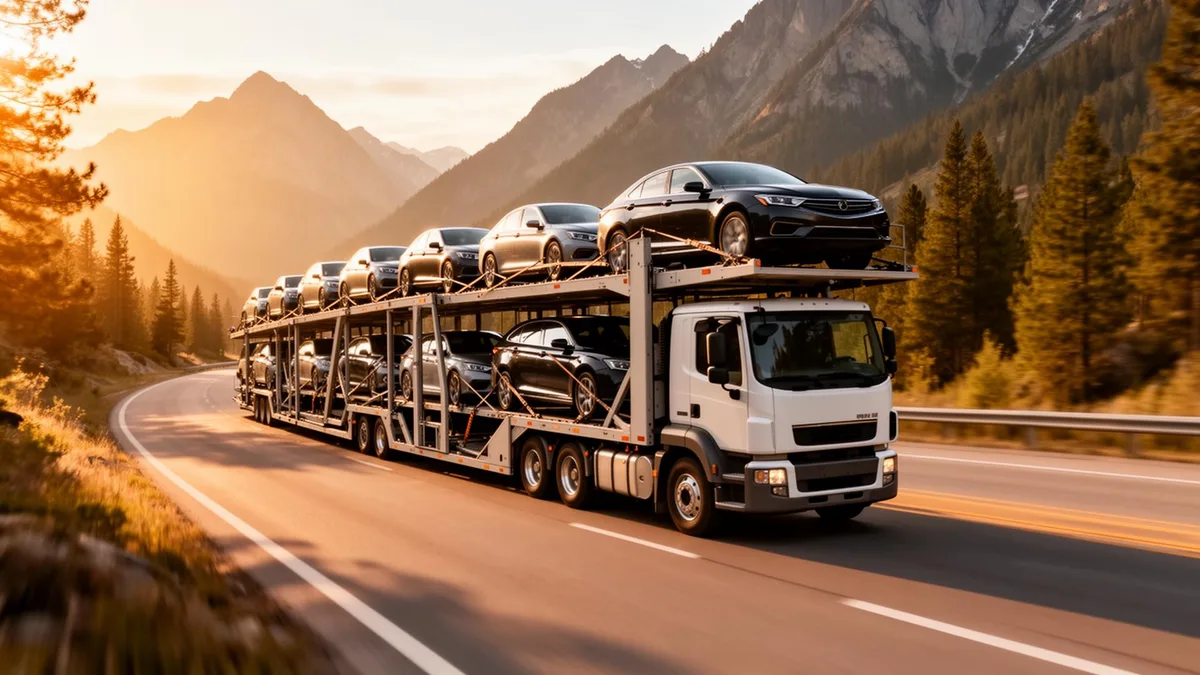
For a rare or high-value classic, enclosed transport is the standard — it shields the car from weather and road debris, and reputable carriers offer liftgate loading and soft-strap tie-downs for low-clearance or original vehicles.
How to Avoid Classic Car Scams
The same value that makes classics desirable also attracts fraud, especially on open marketplaces. A few hard rules protect you:
- Never wire money for a car you haven’t verified. Irreversible payment to an unconfirmed seller is the most common way buyers lose money.
- Walk away from “too good to be true” pricing. A rare car listed well below market — often with a story about a quick sale or an overseas move — is classic bait.
- Beware fake escrow and shipping sites. Scammers spin up bogus escrow or transport pages to collect a “deposit.” Stick to known platforms and a licensed transport broker.
- Insist on a pre-purchase inspection and proof of title before any money changes hands, especially on sight-unseen purchases.
For a deeper look at the tactics to watch for, see our guide to common auto transport scams.
Bottom Line
The best place to buy a classic car in 2026 is wherever the right car meets a seller you can verify — Hemmings and ClassicCars.com for selection, CLASSIC.COM for pricing research, Bring a Trailer for curated online auctions, and the major houses for rare headline cars. Whichever route you choose, the great find is rarely in your own zip code. SAKAEM Logistics is a fully licensed auto transport broker rated 4.6 out of 5 across 544 reviews, and we move collector vehicles nationwide with enclosed car shipping for maximum protection. If you bought at a sale, our auction car shipping handles yard pickup and delivery, and our classic car shipping services cover liftgate loading and soft-strap tie-downs. See what it runs in our guide to the cost to ship a classic car, and when it is time to move one on, our guide on how to sell a classic car walks through it.
Buying a Classic Car FAQ
What documents should I ask for when buying a classic car?
Ask for the title, a bill of sale, service and restoration records, and any ownership history or original documentation. Verify the VIN matches the title and the car, and confirm there are no liens. Strong paperwork both protects you and supports the car’s value at resale.
How do I determine whether a classic car is fairly priced?
Use a price database like CLASSIC.COM or Hagerty’s valuation tools to compare recent sales of the same model, year, and condition. Factor in originality, matching numbers, documented history, and the cost of any needed work. A fair price reflects condition, not just the year and model.
What’s the difference between a classic, vintage, and antique car?
“Classic” generally means a collectible car 20–25 years or older, “antique” often refers to vehicles 25-plus years old for registration purposes, and “vintage” technically describes cars built between 1919 and 1930. Definitions vary by state and by insurer, so confirm how yours applies.
Is Bring a Trailer a safe place to buy a classic car?
Yes, Bring a Trailer is one of the most trusted places to buy classic cars online. Its curated listings, detailed documentation, and active commenter community surface issues before bidding ends. As with any auction, read the full listing, review the comments, and arrange transport and payment terms in advance.
Can I finance a classic car purchase?
Yes. Specialty lenders that focus on classic and collector cars offer loans tailored to older vehicles, often with longer terms than standard auto loans. Rates and approval depend on the car’s value, your credit, and the lender’s appraisal.
When is the best time to buy a classic car?
Winter and early in the year tend to be buyer-friendly, since demand cools when the weather turns and many owners are not driving. Shopping in the off-season often means more negotiating room than during spring and summer show season.
How do I ship a classic car after I buy it?
Use a licensed auto transport broker and choose enclosed transport for a rare or high-value classic, which shields it from weather and road debris. Provide the pickup and delivery details, and confirm the carrier offers liftgate loading and soft-strap tie-downs for low-clearance or original vehicles.
How much does classic car insurance cost?
Specialty classic-car policies are often cheaper than standard auto insurance because the cars are driven less and maintained carefully. Most use an agreed-value model, so you and the insurer set the payout amount up front rather than relying on depreciated market value.