

Online car auctions have gone from an insider’s channel to one of the best ways to buy a vehicle below retail — if you pick the right platform and understand what you’re bidding on. The catch most “best auction sites” lists skip: several of the biggest names aren’t open to you at all. Manheim, ADESA, and most of Edge Pipeline’s lanes are dealer-only wholesale auctions; bidding there requires a dealer license, and lists that lump them in with public sites send readers to registration pages that will turn them away.
This guide separates the two worlds properly. We rank the best public car auction sites for 2026, label the dealer-only platforms for what they are, lay out the real fees, and cover the part that’s our actual specialty at SAKAEM Logistics: what happens after you win, when a car you’ve never touched is sitting in an auction yard six states away.
Key Takeaways
- Cars & Bids and Bring a Trailer lead for enthusiast vehicles; Copart and its broker partners open salvage auctions to the public; eBay Motors remains the widest general marketplace.
- Manheim, ADESA, and most Edge Pipeline lanes are dealer-only — you need a dealer license to bid, no matter what a listicle implies.
- Buyer fees are the hidden price of every platform, typically 4–10% on enthusiast sites and a stack of flat fees on salvage sites.
- Most auction cars are sold as-is with no warranty and no return — the discount is compensation for the risk you’re accepting.
- Nearly every auction win needs transport home; auction yards release vehicles on gate schedules, so booking shipping fast avoids daily storage fees.
What Are Online Car Auction Sites?
Online car auctions and car bidding sites are marketplaces where vehicles sell to the highest bidder within a set window, rather than at a listed price. Sellers range from private enthusiasts and dealerships to insurance companies (salvage), rental fleets, and government agencies. The appeal is price discovery: a car is worth exactly what the room says that day, which is how genuine below-retail buys happen — and also how overpaying happens when bidding gets emotional.
The critical distinction is access:
- Public auction sites — anyone can register and bid, usually after adding a payment method or deposit.
- Dealer-only (wholesale) auctions — restricted to licensed dealers. This is where the trade buys and sells inventory; consumers can only access it indirectly, through a broker or a licensed friend, or by shopping the retail lots those dealers stock.
Both worlds matter in this list, because knowing what the trade pays — and where — makes you a sharper retail buyer too.
The mechanics are nearly identical everywhere:
- Register on the platform and verify your identity
- Add a payment method or deposit (this is what activates bidding)
- Bid within the auction window — with a maximum you set before emotions do
- Win and complete payment, usually within days, not weeks
- Collect the paperwork — bill of sale, gate pass or release, title handling
- Ship it home — because the car you won is almost never in your city
Best Car Auction Sites at a Glance
| Platform | Access | Inventory focus | Typical buyer cost |
|---|---|---|---|
| Cars & Bids | Public | Modern enthusiast cars (1980s–now) | 5% buyer fee ($250 min, $7,500 cap) |
| Bring a Trailer | Public | Collector, classic, enthusiast | ~5% buyer fee (capped) |
| eBay Motors | Public | Everything, nationwide | No buyer premium; seller fees |
| Copart | Public in most states | Salvage, insurance, clean-title | Tiered buyer + gate fees |
| AutoBidMaster | Public | Copart access without a license | Broker fee + Copart fees |
| IAAI | Public buyers with a $225 yearly membership, plus brokers/dealers | Salvage and insurance vehicles | Buyer fee by price band + $105 service fee |
| GovDeals / GSA Auctions | Public | Government fleet and surplus | Minimal buyer premiums |
| Hemmings Auctions | Public | Classics with provenance | Buyer fee (capped) |
| Edge Pipeline | Dealer-only (most lanes) | Regional wholesale | Dealer fees |
| ADESA | Dealer-only | Wholesale, off-lease | Dealer fees |
| Manheim | Dealer-only | The largest wholesale marketplace | Dealer fees |
Fee structures change; treat these as the shape of the cost, and read each platform’s current fee schedule before bidding.
The Best Public Car Auction Sites
Cars & Bids
Cars & Bids has become the default auction site for modern enthusiast cars — roughly 1980s to current — with clean photography, detailed seller disclosures, and an active comment section that functions as free due diligence. Auctions run seven days, sellers list free, and since February 2025 the buyer fee is 5% with a $250 minimum and a $7,500 cap, the same as Bring a Trailer. Our full Cars & Bids review covers the fee change, the auction rules and what getting the car home costs.
- Type: Public
- Pros: Modern enthusiast focus, strong disclosures, community vetting in comments, reasonable capped fees
- Cons: Inventory skews newer and enthusiast-only; competitive bidding on desirable cars leaves fewer bargains
- Best for: Buying or selling a modern enthusiast car with an engaged, knowledgeable audience
Bring a Trailer
Bring a Trailer is the heavyweight of enthusiast auctions — curated listings, enormous audiences, and consistently strong sale prices. For buyers, that curation cuts both ways: quality is high, but so is competition, and BaT results increasingly set market values rather than undercut them. The comment community will surface a car’s problems faster than most paid inspections. Our Bring a Trailer fees guide covers the 5 and 10 percent buyer tiers, the seller tiers and what shipping a win home costs.
- Type: Public
- Pros: Curated quality, huge audience, deep listing detail, comment-section due diligence
- Cons: Strong prices mean fewer steals; listing queue for sellers can run weeks
- Best for: Collector and classic vehicles where provenance and presentation drive value
eBay Motors
eBay Motors is still the widest online car auction there is: every vehicle type, every price point, auction and buy-it-now formats, nationwide. Protections have improved (eBay’s vehicle purchase protection applies within limits), but listing quality varies enormously — eBay is where discipline about inspections matters most.
- Type: Public
- Pros: Massive selection, familiar bidding, no buyer premium, buy-it-now options
- Cons: Uneven listing quality, scams require vigilance, little curation
- Best for: The widest possible search, unusual vehicles, and parts-car hunting
Copart
Copart runs the country’s biggest salvage and insurance auctions, and in most states the public can register and bid directly (a few states require a license or a broker). Inventory is dominated by insurance write-offs — but clean-title trade-ins, fleet vehicles, and repos flow through too. The bargains are real and so are the risks: most cars can’t be test-driven, condition reports are minimal, and fees stack (buyer fee tiers, gate fees, storage if you’re slow to collect). Our Copart vs IAAI comparison sets the two salvage auctions side by side.
- Type: Public in most states
- Pros: Huge volume, genuine below-market pricing, online bidding on everything
- Cons: Salvage-heavy, as-is with minimal condition data, fee stack, member/license rules vary by state
- Best for: Project cars, rebuilders, and disciplined bargain hunters who price in repairs
AutoBidMaster
AutoBidMaster is a registered broker that gives the public full access to Copart inventory in states (and situations) where direct bidding isn’t allowed — for a broker fee on top of Copart’s. If Copart’s rules block you, this is the standard workaround, with the same as-is realities.
- Type: Public (broker access)
- Pros: Opens salvage auctions to anyone, handles the licensing layer, ships internationally
- Cons: Added broker fee, same minimal condition data as the underlying auction
- Best for: Buyers without dealer licenses who want salvage-auction access
GovDeals and GSA Auctions
Government surplus is the sleeper category: municipal fleets, police vehicles, and federal surplus sell through GovDeals and GSA Auctions with minimal fees and honest (if dry) condition notes. Maintenance histories on fleet vehicles are often better than the private-market equivalent. Selection is unpredictable and cosmetics are rarely pretty.
- Type: Public
- Pros: Low fees, documented fleet maintenance, little bidding hype
- Cons: Utilitarian inventory, pickup windows are strict, condition varies
- Best for: Practical buyers hunting honest fleet vehicles below market
Hemmings Auctions
Hemmings brings a century of classic-car publishing credibility to a curated auction format. Volumes are smaller than BaT’s, which sometimes means softer prices for buyers, and listings lean toward documented, driver-quality classics.
- Type: Public
- Pros: Trusted classic-car brand, curated listings, knowledgeable audience
- Cons: Lower volume, classics only
- Best for: Classic-car buyers who want curation without BaT-level bidding wars
The Dealer-Only Platforms (Know Them Even If You Can’t Bid)
Edge Pipeline
Edge Pipeline streams live wholesale auctions from dozens of regional auction houses — the infrastructure of the dealer trade. Most lanes require a dealer license, and it’s a serious tool for the dealers who use it; our full Edge Pipeline review covers how it works and who it fits.
- Type: Dealer-only (most lanes)
- Best for: Licensed dealers sourcing regional wholesale inventory
ADESA
ADESA (owned by Carvana) is one of the two national wholesale giants — physical auction sites plus online lanes, moving off-lease vehicles, trade-ins, and fleet returns between dealers.
- Type: Dealer-only
- Best for: Dealers; consumers meet ADESA inventory later, on retail lots
Manheim
Manheim is the largest wholesale auto marketplace in the country, and even if you never bid there, it shapes what you pay everywhere: its Manheim Market Report (MMR) is the wholesale benchmark dealers price trade-ins against — the mechanism we unpack in our KBB accuracy guide.
- Type: Dealer-only
- Best for: Dealers; for consumers, understanding MMR explains every trade-in offer you’ll ever get
How to Choose a Car Auction Site
Four questions sort the whole list:
- Can you actually bid there? Public platforms, yes; Manheim/ADESA/most Edge Pipeline lanes, only with a dealer license. Settle this before falling for inventory.
- What are you hunting? Enthusiast metal → Cars & Bids or BaT. Bargain projects → Copart/AutoBidMaster. Honest fleet stock → GovDeals. Breadth → eBay Motors. Classics → Hemmings or BaT.
- What’s the all-in number? Hammer price + buyer fee + gate/storage fees + transport home. Set your maximum bid on that total, not the hammer.
- What’s your risk tolerance? As-is, no returns, often no test drive. The platforms with community due diligence (BaT, Cars & Bids) derisk the most; salvage auctions derisk the least and discount accordingly.
And the red flags that apply everywhere: sellers pushing to transact off-platform, wire-transfer-only “deals,” listings with photos that avoid the same corner of the car, and any auction “fee schedule” you can’t find published. Legitimate platforms make their costs boring and easy to find.
The quick-match version:
| You want to buy… | Start with |
|---|---|
| A cheap commuter | eBay Motors or GovDeals |
| A modern enthusiast car | Cars & Bids |
| A classic or collector car | Bring a Trailer or Hemmings |
| A salvage or project car | Copart (or AutoBidMaster without a license) |
| An honest fleet truck | GovDeals / GSA Auctions |
| Wholesale inventory (dealers) | Manheim, ADESA, Edge Pipeline |
Benefits of Buying Through Auto Auction Platforms
The honest case for auctions: real price discovery instead of sticker mark-ups, inventory you simply won’t find on retail lots (one-owner classics, fleet vehicles, project cars), and national reach — the right car is rarely in your zip code, and auctions never pretended otherwise. For sellers, enthusiast platforms reach thousands of qualified bidders in a week.
The honest caveats: nearly everything sells as-is, with no warranty, no return window, and often no test drive. Auction discipline — inspection reports, budget caps, walking away — is the entire skill. If you want consumer protections and a return policy, a retailer beats an auction; our ranking of the best used car websites covers those options.
Are Online Car Auctions Cheaper Than Dealerships?
Usually on the hammer price — often meaningfully so — but the honest answer is that the discount is payment for risk and homework, and the fees plus transport close part of the gap. A worked illustration of the full landed-cost math:
- Winning bid on a clean 2021 midsize pickup at an enthusiast auction: $24,000
- Buyer fee (5%): $1,200
- Transport home, Denver → Atlanta (
1,400 miles, open carrier): **$1,050** - Landed cost: ~$26,250 — against comparable dealer listings in the $27,500–$28,500 range, before any dealer add-on fees
That’s real savings — if the car checks out, because the dealer price also buys a return window, reconditioning, and someone to yell at. Auctions are cheaper the way anything as-is is cheaper: the discount and the risk are the same line item. Buyers who inspect, cap their bids, and price in every fee keep the spread; buyers who bid emotionally donate it back.
You Won the Auction. Now What?
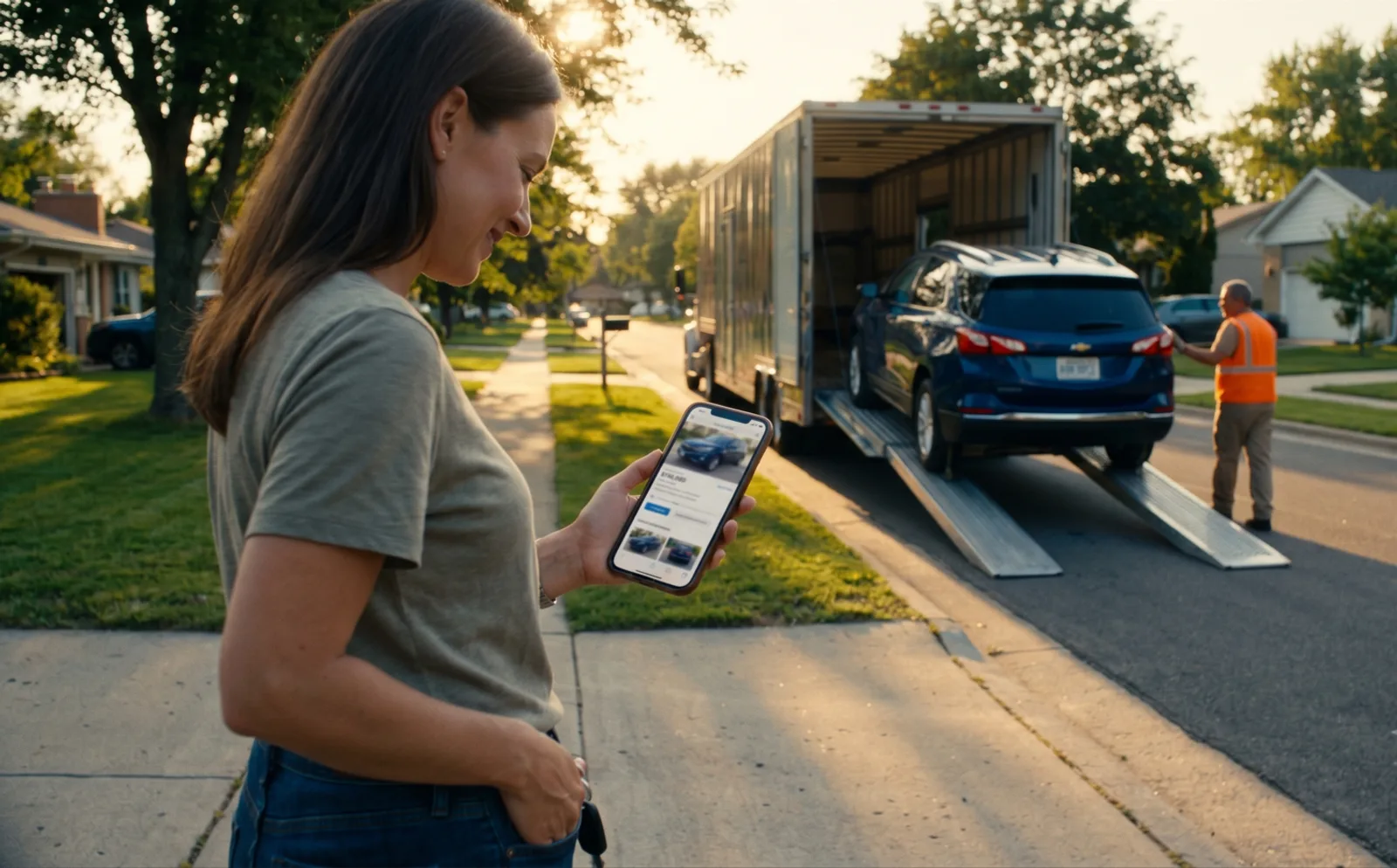
This is the part of every auction guide we know best, because it’s what we do. The car is paid for and sitting in an auction yard or a seller’s garage hundreds of miles away — and auction yards are not parking lots. Copart and IAAI charge daily storage after a short grace window (the Copart fees guide walks through the buyer fee tiers, the gate fee, and the storage clock); enthusiast-site sellers want cars gone; gate releases run on schedules.
The practical playbook:
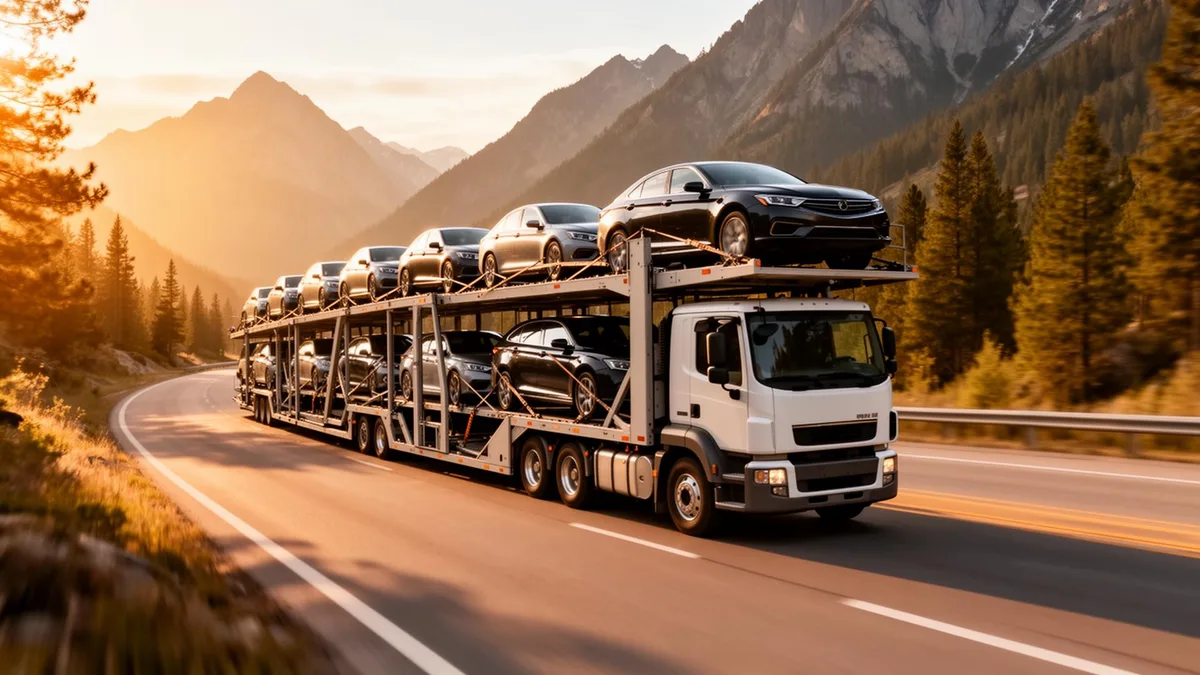
- Book transport immediately after winning — ideally the same day. SAKAEM’s standard pickup window is 3 business days, which typically beats storage-fee deadlines, and auction and dealer-lot pickups are routine: the yard or seller releases the vehicle to the carrier, someone on-site signs the bill of lading, and you never travel.
- Match the trailer to the car. A fleet sedan rides an open carrier; a BaT-grade classic or low-clearance enthusiast car warrants enclosed transport with a liftgate.
- Price transport into your maximum bid. Per-mile costs drop with distance — the full math is in our car shipping cost guide — but a $700–$1,100 shipping leg on a distant car is part of what “below market” has to clear. Our guide to buying a car from another state covers the title and registration mechanics.
- Non-runners are normal. Salvage-auction wins often need winch loading — disclose the car’s condition when booking so the right equipment shows up.
Bottom Line
The best car auction site depends on what you’re hunting: Cars & Bids and Bring a Trailer for enthusiast metal, eBay Motors for sheer breadth, Copart (or AutoBidMaster) for salvage bargains, GovDeals for honest fleet stock, Hemmings for curated classics — and Manheim, ADESA, and Edge Pipeline are the wholesale engine room you should understand even if you can’t bid there. Buy with inspection discipline, price in the fees, and treat the transport leg as part of the purchase.
When you win, SAKAEM Logistics handles the “six states away” problem: auction-yard and dealer-lot pickups since 2017, a 3-business-day standard pickup window that beats storage deadlines, carrier insurance verified per shipment, and $0 due upfront. Get an instant quote with your auction’s location before you bid — the number belongs in your max-bid math.
Car Auction Sites FAQ
How do I arrange shipping after winning at an auction?
Book a transport broker the day you win — you’ll provide the auction location, lot or stock number, and the buyer paperwork, and the carrier handles gate release at pickup. SAKAEM’s standard 3-business-day pickup window typically lands inside auction storage grace periods.
Are cars sold at auction inspected?
Rarely to retail standards. Enthusiast sites rely on seller disclosures and photos, salvage auctions publish minimal condition notes, and most sales are strictly as-is — independent pre-bid inspections are the closest thing to protection.
Can I buy a car sight unseen?
You can, and at online auctions you usually are. Mitigate it: read every photo and disclosure, use the comment community on enthusiast sites, order a third-party inspection where offered, and keep a repair reserve in your budget.
How do I know if a car auction site is legitimate?
Stick to established platforms with published fee schedules, real registration processes, and verifiable histories — every site on this list qualifies. Off-platform “auction” deals arranged by wire transfer are where scams live.
Do I need a dealer license to bid?
On public platforms, no — registration and a payment method suffice. Manheim, ADESA, and most Edge Pipeline lanes require a dealer license; brokers like AutoBidMaster exist to bridge that gap for salvage inventory.
What fees do car auction sites charge buyers?
Enthusiast platforms charge a buyer fee of roughly 4–5% (usually capped); salvage auctions stack tiered buyer fees, gate fees, and storage; government sites charge minimal premiums. Always compute the out-the-door number before setting a max bid.
Are there free online car auction sites?
Browsing is free almost everywhere, and registration is free on most public platforms — the costs arrive as buyer fees and deposits when you bid. “Free” salvage access usually means a broker is charging on the back end instead.
Can I finance a vehicle purchased through an online auction?
Sometimes, but plan ahead: most auctions require payment in days, which outruns traditional lender timelines. Pre-arranged financing or cash is the norm; a few platforms offer integrated financing partners.
Can I inspect a vehicle before bidding?
Physical salvage yards generally allow preview visits; online enthusiast auctions substitute detailed photos, disclosures, and community Q&A. Where a third-party inspection service is offered, the fee is cheap insurance.
Is a salvage-title auction car worth it?
For the right buyer — someone who can price repairs accurately and accepts resale and insurance limitations — salvage can be genuine value. For a daily driver with financing and full coverage needs, clean-title inventory is usually the better hunt.
How fast do I need to remove a car from an auction yard?
Salvage yards typically allow a short free window — often just a few business days — before daily storage fees begin. That deadline, more than anything, is why transport gets booked the same day as the win.
Can auction cars be shipped if they don’t run?
Yes — inoperable vehicles ship routinely with winch loading, and it’s standard for salvage-auction purchases. Disclose the non-running condition when quoting so the carrier arrives with the right equipment.