

Long-distance towing is an option for moving a vehicle across the country, but it is rarely the smart one. Pulling your car behind a moving truck on a dolly, renting a trailer, or hiring a tow truck for a 1,000-mile haul looks cheaper on the surface. Once you add fuel, lodging, the days off the road, the wear on your vehicle, and the very real risk of transmission or tire damage, the math usually flips. This guide breaks down what long-distance towing actually costs in 2026, the risks it puts on your car, and when professional auto transport is the better call.
Key Takeaways
- Long-distance towing often looks cheaper than shipping but rarely is once fuel, lodging, time, and added mileage are counted in.
- Towing a car with two wheels on the ground can strain the transmission and tires, and many modern vehicles cannot be flat-towed safely at all.
- Professional auto transport keeps all four wheels off the road, eliminating added mileage and drivetrain wear while significantly reducing road-exposure risk.
- For any move beyond roughly 500 miles, shipping your car on a carrier is usually safer, less stressful, and competitive on total cost.
How Much Does Long-Distance Towing Cost?
There is no single price for long-distance towing because it depends on how you do it. Renting a tow dolly is the cheapest sticker price, hiring a tow truck for the whole distance is the most expensive, and professional auto transport sits in the middle while removing nearly all of the hidden costs. The table below compares the realistic 2026 ranges for two common cross-country routes. For your own route, our car shipping cost calculator gives the transport figure.
| Method | ~1,200-mile move | ~2,100-mile move | Wheels off ground | Added mileage |
|---|---|---|---|---|
| Tow dolly rental (DIY) | $150–$250 + fuel | $200–$350 + fuel | Front only | Yes (rear) |
| Car trailer rental (DIY) | $250–$450 + fuel | $350–$600 + fuel | All four | No |
| Hire a tow truck (full distance) | Rarely offered | Rarely offered | Varies | Varies |
| Professional auto transport (open) | $900–$1,150 | $1,300–$1,600 | All four | No |
The DIY numbers are deceptive, and the tow-truck option is mostly an illusion. A tow dolly or trailer rents cheap on a one-way basis with unlimited miles, but the rental price excludes damage protection and environmental fees, and you still need a powerful enough vehicle to pull it plus every gallon of fuel that heavier, less aerodynamic load burns over thousands of miles. As for hiring a tow truck for the full distance: most local operators will not take a multi-day, multi-state relocation at all. They are bound by regional operating territories, and even if you find one willing to cross several state lines, you pay for their empty return trip — which makes the price absurd. Professional open car shipping is built for exactly this job and usually lands competitive with a DIY trailer once the real expenses are added in. For a fuller breakdown of shipping rates, see our guide to the cost to ship a car.
Factors That Influence Long-Distance Towing Costs
- Distance — per-mile rates fall as the trip gets longer, but the total still climbs the farther you go.
- Vehicle size and weight — heavier vehicles need bigger equipment, burn more fuel, and may exceed a dolly’s load limit.
- Towing method — dolly, trailer, or full tow truck each carry very different price tags and risk levels.
- Fuel prices — towing a heavy load can cut your tow vehicle’s fuel economy by 25% or more.
- Lodging and meals — multi-day drives mean hotels and food that rarely make it into the upfront comparison.
- Insurance and liability — DIY towing puts the entire risk of damage, breakdown, or an accident on you.
The True Cost of Towing Your Car Long Distance
The cheapest sticker price almost never wins once you count everything. Consider a real cross-country move: Atlanta, GA to Phoenix, AZ — roughly 1,850 miles. Renting a tow dolly looks like the budget choice, until you add up what the trip actually costs.
| Real cost of a DIY tow dolly (Atlanta → Phoenix) | Amount |
|---|---|
| One-way tow dolly rental + damage protection | ~$250 |
| Extra fuel (heavy load drops your tow vehicle 4–6 MPG) | ~$650 |
| 3 nights lodging + meals on the road | ~$500 |
| Your time (3–4 days driving at reduced speed) | Hard to price |
| Added mileage, tire and transmission wear, breakdown risk | Hard to price |
| Real-world total | ~$1,400+ |
A SAKAEM open-transport quote for that same Atlanta-to-Phoenix route runs around $1,375 — market-rate and seasonal, but in the same ballpark as the “cheap” dolly once everything is counted. The difference is what you get for it: shipping adds zero miles to your car, includes carrier cargo insurance, puts none of the drivetrain risk on you, and frees up the four days you would have spent on the interstate.
This is the calculation most towing guides skip, and it is why professional transport keeps winning for long moves. You are not just paying for distance — you are paying with your time, your fuel, and the condition of your vehicle. Long-distance towing can make sense for a short relocation or a vehicle you do not mind putting wear on. For a cross-country move with a car you care about, the numbers point to shipping.
Considerations With Long-Distance Vehicle Towing
Cost is only half the story. The bigger issue with long-distance towing is what it does to your vehicle and your schedule. Before you commit to pulling your car hundreds or thousands of miles, weigh these four realities.
Potential Damage to Your Car
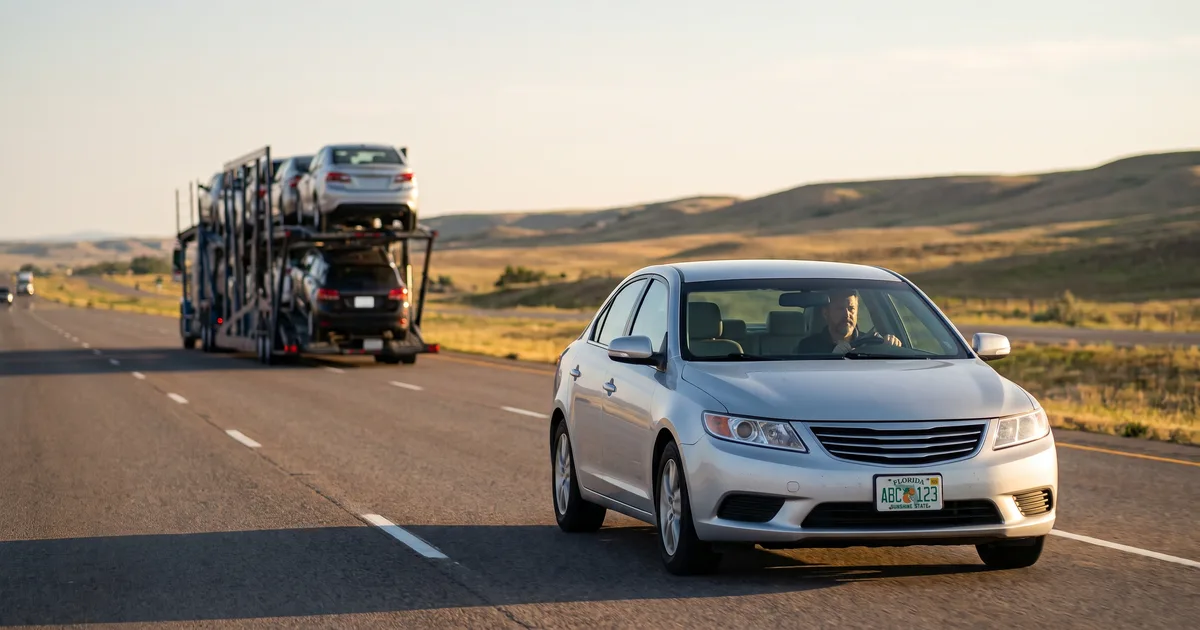
This is the single biggest reason to think twice about long-distance towing. When a car rides on a tow dolly, the rear wheels stay on the pavement and spin for the entire trip, racking up wear on tires, wheel bearings, and the drivetrain. Sitting still on a trailer for days can flat-spot tires. And if the vehicle is flat-towed incorrectly — all four wheels down without the right procedure — you can do serious, expensive damage to the transmission. Professional enclosed car shipping and open transport both keep every wheel off the ground, which is why they are the standard for shipping a car across the country without adding wear.
Time Investment
Towing a car yourself means you do the driving. A 2,000-mile tow is three to four days behind the wheel at reduced speeds, because towing safely means going slower to prevent trailer sway and fishtailing. That is three to four days of fuel stops, overnight hotels, and fatigue. With professional auto transport, you hand the keys to the driver at pickup and meet the carrier at delivery — your only time investment is two short appointments.
Increased Costs
As the cost table shows, the upfront rental price is rarely the real number. Long-distance towing adds fuel for a heavier load, lodging, meals, and the wear-and-tear bill you pay later in tires, brakes, and drivetrain service. Tow truck companies in particular charge steep per-mile rates for long hauls — and many simply refuse cross-country jobs because their equipment is built for short recovery trips, not relocation.
Weight Considerations
Every tow setup has a limit. A standard tow dolly typically handles vehicles up to around 3,400 to 3,900 pounds and only front-wheel-drive cars without modification. A full car trailer can carry more — usually up to roughly 5,000 pounds — but it is heavier and harder to maneuver. Exceeding these limits is dangerous and can void rental agreements. The National Highway Traffic Safety Administration points out that your tow vehicle’s rating and owner’s manual set the real ceiling for what you can safely pull. Larger SUVs, trucks, and many all-wheel-drive vehicles simply do not belong on a dolly, which leaves trailer rental or professional shipping as the only safe choices.
Towing vs Shipping: Side by Side
For a quick view of why shipping wins on a long move, here is how the two approaches compare on the factors that matter most.
| Factor | Long-Distance Towing | Professional Shipping |
|---|---|---|
| Mileage added to your car | Yes (dolly or flat tow) | None |
| Tire and drivetrain wear | Yes | None |
| Fuel cost | High — you pay it | Included in the quote |
| Time investment | 3–4 days of driving | Two short appointments |
| Transmission risk | Possible | None |
| Cargo insurance | On you | Carrier-provided |
| Vehicle types supported | Limited (FWD, under weight cap) | Nearly all, including AWD and EVs |
Other Options for Moving Your Car
If long-distance towing does not fit your vehicle, your timeline, or your tolerance for risk, you have three better ways to move a car over a long distance.
Open Car Shipping
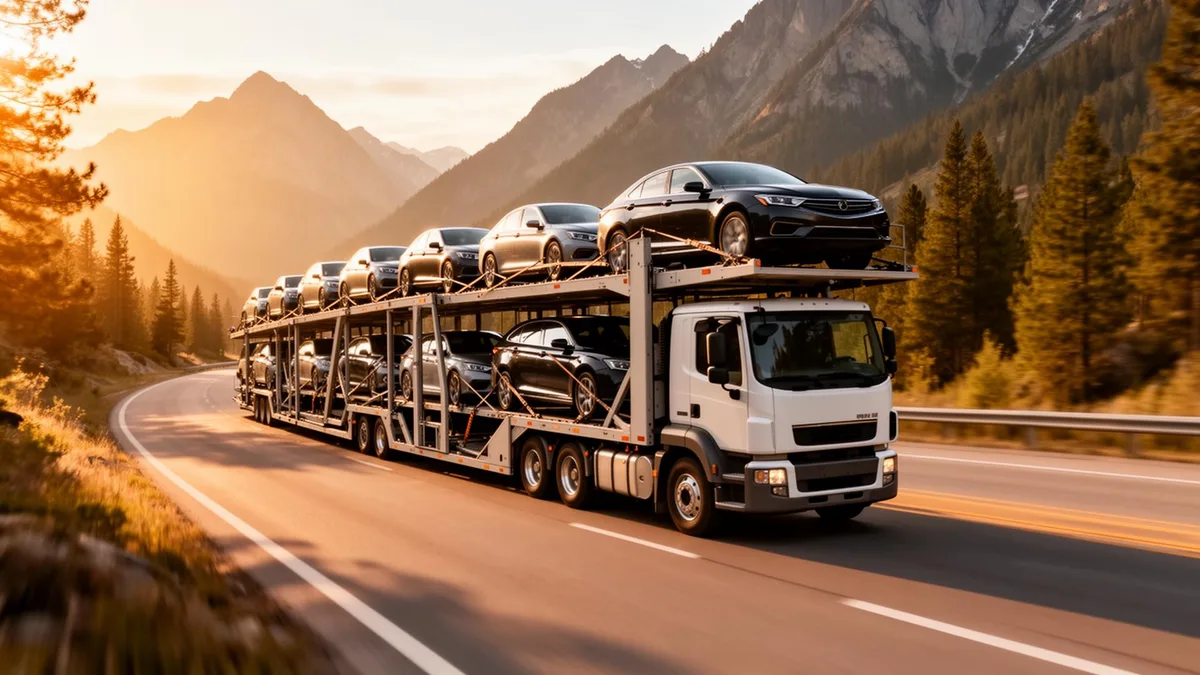
Open car shipping is the most popular and most affordable way to move a vehicle long distance. Your car rides on a multi-vehicle carrier — the same kind that delivers new cars to dealerships — with all four wheels secured and off the ground. It is exposed to the weather, like driving the car would be, but it adds zero mileage and carries none of the towing risk. For most standard vehicles, open transport is the clear value choice.
Enclosed Car Shipping
Enclosed car shipping moves your vehicle inside a covered trailer, protected from road debris, weather, and prying eyes. It typically costs 50% to 70% more than open transport, but for classic, luxury, exotic, or low-clearance vehicles, that protection is worth it. Like open transport, it keeps every wheel off the ground and adds no mileage.
Train Shipping
Train shipping is a real option, but a narrow one. Amtrak’s Auto Train carries passengers and their vehicles on a single fixed route — Lorton, Virginia (near Washington, D.C.) to Sanford, Florida (near Orlando). If your move happens to run along that corridor, it can be efficient. For any other route, train shipping is not available, which is why a nationwide auto transport network is the flexible option for almost everyone.
Bottom Line
Long-distance towing is possible, but for most people moving a car a long way, it is not the right call. The low rental price hides fuel, lodging, days of driving, added mileage, and a genuine risk of an expensive transmission or tire failure halfway across the country. Professional auto transport removes all of it: your car rides on a carrier with every wheel off the ground, you skip the multi-day drive, and the drivetrain risk is gone. As a fully licensed auto transport broker, SAKAEM Logistics matches your vehicle with vetted, insured carriers, offers a 1–3 day pickup window, and quotes honest market-rate pricing from the start. Don’t gamble your transmission or four days of your life on a rental dolly — get a free quote and compare the real cost of shipping against towing before you decide.
Long-Distance Car Towing FAQ
Does towing add mileage to a vehicle?
It depends on the method. Flat towing or using a tow dolly leaves wheels on the ground, so the odometer keeps climbing and the drivetrain keeps wearing. Towing on a trailer or shipping on an auto transport carrier keeps all four wheels off the road and adds no mileage.
What types of vehicles should not be towed with two wheels on the ground?
Most all-wheel-drive and four-wheel-drive vehicles, and many rear-wheel-drive and automatic-transmission cars, should not be towed with two wheels on the ground. Doing so can damage the transmission or transfer case. Always check your owner’s manual, and when in doubt, ship the vehicle instead.
Can towing damage my transmission?
Yes. Towing a car incorrectly — especially flat towing an automatic or all-wheel-drive vehicle without the proper procedure — can cause severe transmission damage because the gears are turning without the engine running to circulate fluid. This is one of the most common and most expensive long-distance towing mistakes.
Can an electric vehicle be towed long distances?
Generally, no — not with wheels on the ground. Most electric vehicles must be transported on a flatbed or auto transport carrier because their wheels are connected to motors and regenerative braking systems that can be damaged by towing. Professional electric vehicle shipping is the safe choice for an EV.
How much does it cost to tow a car versus ship it?
Hiring a tow truck for a long-distance move often runs $2 to $7 per mile, which can mean $2,400 to $7,000 cross-country. Professional open auto transport for the same distance typically costs $900 to $1,600. A DIY tow dolly rents for less upfront but adds fuel, lodging, and wear that usually erase the savings.
Can you flat-tow an all-wheel-drive vehicle?
Most all-wheel-drive vehicles cannot be flat-towed without risking drivetrain damage, unless the manufacturer specifically approves it and you follow the exact procedure in the owner’s manual. For AWD vehicles, trailer transport or professional shipping is almost always the safer option.
Does long-distance towing void my warranty?
It can. Towing a vehicle in a way the manufacturer does not approve — such as flat towing a car that is not rated for it — can damage covered components and give the manufacturer grounds to deny a related warranty claim. Shipping the vehicle avoids this risk entirely. For more on protecting your vehicle in transit, see our guide to auto transport insurance.