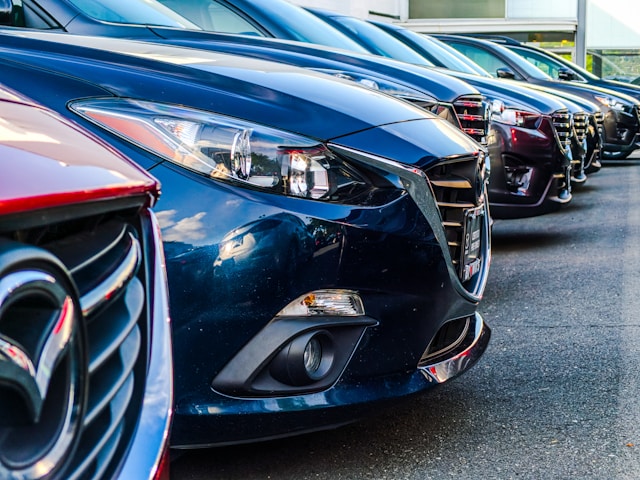

The average new vehicle sold for $50,562 in September 2026, according to Kelley Blue Book data published by Cox Automotive. At that price, how you buy matters almost as much as what you buy. The auto broker vs dealer choice comes down to one question: who is working for you? A dealer owns the cars on its lot and earns its money selling them to you. An auto broker owns nothing, searches the market for the car you describe, and earns a fee for finding it and negotiating the price. One clarification before we start: a car broker in this sense helps you buy a vehicle. That is a different business from a car shipping broker like SAKAEM, which arranges transport and must hold operating authority from the Federal Motor Carrier Safety Administration.
The Short Answer
A dealer is the better choice when you want a popular model, want to test drive it today, and are comfortable negotiating. An auto broker is worth it when the car is hard to find, when you would rather pay a professional to negotiate, or when the savings clearly exceed the fee. Brokers commonly charge a flat fee of a few hundred dollars, so for a readily available car, comparing written offers from several dealers yourself is often cheaper.
What Is a Car Dealer?
A car dealer is a licensed business that buys vehicles and resells them to the public. Franchise dealers sell new cars for one or more manufacturers and also sell used cars taken in on trade. Independent dealers sell used vehicles bought at auction, from trade-ins, or from private sellers. The salesperson who greets you on the lot works for the dealer; the dealer itself is the business that holds the license, the inventory, and the sales contract.
Dealers make money in several places at once. There is the margin between what they paid for the car and what you pay, the finance office (loan markup, extended warranties, protection packages), the trade-in spread, and documentation fees. That explains the upselling reputation, and also why a dealer can handle financing to registration in one visit.
Pros of buying from a dealer
You can test drive the exact car before you sign. Franchise dealers offer certified pre-owned programs, factory incentives, and manufacturer-backed warranties, and financing, trade-in, title, and temporary tags happen in one place.
Cons of buying from a dealer
Your choice is mostly limited to what that dealer has, can get through a dealer trade, or can factory order within its brand. The salesperson and finance manager are paid to maximize the dealer’s profit, not to minimize your cost, and add-ons and fees often appear late in the process.
What Is a Car Broker?
A car broker, also called an auto broker, is a middleman who finds and negotiates a vehicle on your behalf. You describe the car, the budget, and the deal you want. The broker searches dealer networks, auctions, and sometimes private sellers, negotiates the price, and in many cases arranges the paperwork and delivery. The broker does not own the car; the sale still goes through a licensed dealer or seller.
How the broker gets paid shapes whose side they are really on. According to Chase, broker fees can be hourly, flat, or a commission based on the vehicle’s value, and some brokers also have financial ties to specific sellers. Experian notes that some brokers receive commissions for steering business to certain dealers. Some brokers charge only the buyer and search the whole market, while others earn referral payments from the sellers they send you to. A broker paid by both sides is not automatically a bad choice, but before you sign, ask how they are paid, whether they search beyond their partner dealers, and whether they disclose seller payments in writing.
Pros of using a car broker
A broker searches far beyond your local market, which matters most for rare trims, specific color and option combinations, and collector cars. If you are hunting for an old classic, a broker with auction and specialist contacts can find cars that never appear on a dealer lot. Brokers also handle the negotiation, and experienced ones know what a fair price looks like.
Cons of using a car broker
You pay a fee on top of the vehicle price, and on a cheap or common car that fee can wipe out the savings. You often cannot test drive the car before committing, and a broker who quietly earns dealer commissions may steer you toward the stores that pay them.
Car Broker vs. Dealer: Key Differences
The core difference is ownership and loyalty: a dealer sells its own inventory, while a broker searches other people’s inventory for you. The table below compares the two side by side.
| Factor | Car dealer | Car broker |
|---|---|---|
| Who they work for | The dealership | Usually the buyer (ask if dealers also pay them) |
| Inventory | Cars on the lot and nearby stores | Dealers, auctions, and private sellers nationwide |
| How they get paid | Vehicle margin, financing, add-ons, fees | Flat, hourly, or percentage fee; sometimes dealer commissions |
| Typical cost to you | Built into the price and fees | Commonly a few hundred dollars or more (per Chase) |
| Test drive | Yes, same day | Often not before you commit |
| Negotiation | You do it | The broker does it |
| Financing and trade-in | In house | Arranged through the selling dealer or your lender |
| Best for | Popular models, buyers who want it today | Rare or specific cars, busy buyers, long-distance purchases |
What a Car Broker Costs vs. What a Dealer Costs
A broker’s fee is visible; a dealer’s cost to you is built into the price. Chase describes typical broker services as costing “a few hundred dollars or more,” and Experian describes car concierge fees as “often a flat fee in the hundreds of dollars.” Percentage-based fees grow with the price of the car, which is why Chase calls flat fees generally preferable for buyers. Dealer-paid programs such as TrueCar and the Costco Auto Program work differently: participating dealers pay to be included, and the buyer pays no fee beyond a Costco membership, per Experian.
The fair comparison is the out-the-door total: vehicle price, every dealer fee, taxes, registration, the broker’s fee, and the cost of getting the car home. For example, a broker who saves you $2,000 on a $45,000 SUV and charges $500 has put $1,500 in your pocket, while a broker who charges $500 to save $300 on a $15,000 commuter car has cost you money.
Distance changes the math too. Open carrier transport for a cross-country move typically runs $1,150 to $1,550 for a standard sedan, based on SAKAEM’s published 2026 rates, depending on the route, season, and carrier availability. Shorter moves cost less, and the exact price depends on the pickup and delivery ZIP codes. Add that figure to the broker’s deal before you compare it with the car sitting at your local dealer.
Do Car Brokers Need a License?
In many states, yes, and the rules vary. California is a clear example: a business must hold a vehicle dealer license and an autobroker’s endorsement from the California DMV before it can broker retail sales. Under California Vehicle Code section 9262, the endorsement costs $100 up front and $75 a year to renew. California brokers must also record every brokered sale in a DMV log and deposit buyer funds into a trust account.
Before you pay anyone, ask which license the broker holds, check it with your state’s DMV or dealer licensing board, and get the fee and any dealer commissions in writing. A broker who cannot name their license, or who asks you to wire the full purchase price to a personal account, is a red flag.
Buying a Car Out of State Through a Broker or Dealer
Out-of-state purchases are where brokers earn their keep, and they are also where transport becomes part of the deal. Vehicle purchases make up about 43% of SAKAEM’s shipping orders, and roughly 80% of those cars are picked up from dealerships, per our dispatch team’s estimate from September 2026 booked orders. On our side, the customer is rarely a broker. Brokers do book transport with us occasionally, but in most cases the dealer or the buyer arranges it.
Who books the truck varies from deal to deal. Sometimes the selling dealer requests a quote and arranges transport for the buyer. Sometimes the dealer passes the transport quote to the buyer to approve. Often the buyer organizes shipping on their own after the sale. Whoever books it, the buyer should confirm three things with the selling dealer before pickup day: the exact VIN, the lot’s hours of operation, and whether a release form or gate pass is needed.
Dealer pickups go wrong in predictable ways. The car is not released because payment has not cleared, the release form is missing, the lot is closed on weekends or after hours, or the keys and title paperwork are not ready when the driver arrives. SAKAEM double-checks every detail before dispatch, including the correct VIN, and tells the customer which carrier company is coming so the dealer releases the car to the right driver. The standard pickup window is 1 to 3 business days, and you can check a price for your route with the car shipping cost calculator.
The car is usually titled and registered in your home state, and that state’s taxes generally apply, but whether the selling dealer collects the tax and how temporary tags work vary by state and dealer. Our guide to buying a car out of state covers sales tax, temporary tags, and titling. Dealers that ship regularly can also use dedicated dealership shipping services for repeat deliveries.
When a Car Broker Is Not Worth It
A broker is a poor fit for some buyers. On a common, inexpensive used car, a fee of several hundred dollars can exceed anything the broker saves you. If you are willing to collect written quotes from three or four dealers, you can capture much of the same savings yourself, and if test driving the exact car matters, a local dealer is simpler.
Free alternatives cover part of what a broker does. Price-comparison programs such as TrueCar charge the buyer nothing; our TrueCar review explains how its dealer network and pricing work. Warehouse-club and bank car-buying programs offer pre-negotiated prices at participating dealers. For used cars, our ranking of the best used car websites shows where to search nationwide inventory on your own.
How to Choose Between a Broker and Dealer
Choose based on the car, your time, and your comfort with negotiation. Work through these questions in order:
- Is the car common and available nearby? If yes, start with local dealers and get written out-the-door quotes.
- Is the car rare, specific, or a collector vehicle? A broker with national reach is more likely to find it.
- Will the savings clearly exceed the broker’s fee plus any transport cost? Do the math on the out-the-door number.
- Do you need to test drive the exact car first? A dealer makes that easy; a broker often cannot.
- Is the broker licensed in your state, and are all fees and dealer commissions disclosed in writing?
If the answers point both ways, get one broker quote and two dealer quotes on the same vehicle. Compare the out-the-door totals line by line, including transport.
Car Broker vs. Dealer FAQ
What does a car broker do?
A car broker finds the vehicle you want, negotiates the price, and often handles paperwork and delivery. The sale still goes through a licensed dealer or seller, and the broker earns a fee.
Is it better to use an auto broker vs. dealer?
An auto broker is better for rare, specific, or distant vehicles and for buyers who do not want to negotiate. A dealer is better for common models, same-day test drives, and buyers who want financing, trade-in, and registration handled in one place.
How much does a car broker cost?
Broker fees are commonly a flat fee of a few hundred dollars or more, according to Chase and Experian, though some brokers charge hourly or a percentage of the vehicle price. Always ask whether the broker also receives a commission from the selling dealer.
Can you negotiate with a car dealer without a broker?
Yes. Get written out-the-door quotes from several dealers by email and let each one know you are shopping the deal. Most of a broker’s advantage comes from competition between sellers, which you can create yourself.
Can you lease a car through a broker?
Yes. Many brokers arrange leases as well as purchases, and lease brokers often focus on negotiating the price, money factor, and fees. Ask for the full lease terms in writing, including the amount due at signing and the mileage allowance.
Can a car broker help you find a rare or hard-to-find vehicle?
Yes, and that is where a broker adds the most value. Brokers search dealer networks, auctions, and specialist sellers nationwide, reaching inventory that never appears on a local lot.
Can a car dealer help you find a vehicle that is not in stock?
Often, yes. Franchise dealers can request dealer trades with other stores or place a factory order for a new vehicle. The search is usually limited to that dealer’s brand and network, while a broker can search across brands and sellers.
Can you buy a car from another state through a broker?
Yes. Brokers regularly source cars from other states. You usually register the car and pay its sales tax in your home state, and you need to arrange transport or pick the car up yourself.
How do you transport a car purchased from another state?
Book an auto transport company and give it the VIN, the pickup address, and the dealer’s hours of operation. Confirm with the dealer whether a release form is required. Open carrier transport is the standard option, and cross-country moves for a sedan typically run $1,150 to $1,550 based on SAKAEM’s 2026 rates.
Is a car broker the same as a car shipping broker?
No. A car broker helps you buy a vehicle. A car shipping broker, also called an auto transport broker, arranges a licensed carrier to move a vehicle and must be registered with the FMCSA.
The Bottom Line
The auto broker vs dealer decision is a trade between convenience and reach. A dealer gives you the car today, a test drive, and one-stop paperwork. A broker gives you a wider search and a professional negotiator, for a fee that pays off on expensive, rare, or distant cars. Compare out-the-door totals, check the broker’s license, and include transport whenever the car is in another state.
When the car you buy is somewhere else, SAKAEM Logistics can bring it home. SAKAEM is a licensed auto transport broker (MC 16237) operating since 2017, with a 4.6 rating across 600+ Google reviews. We verify every carrier’s authority and insurance before dispatch and confirm the VIN, release details, and lot hours with the seller. Get a free car shipping quote for your route.