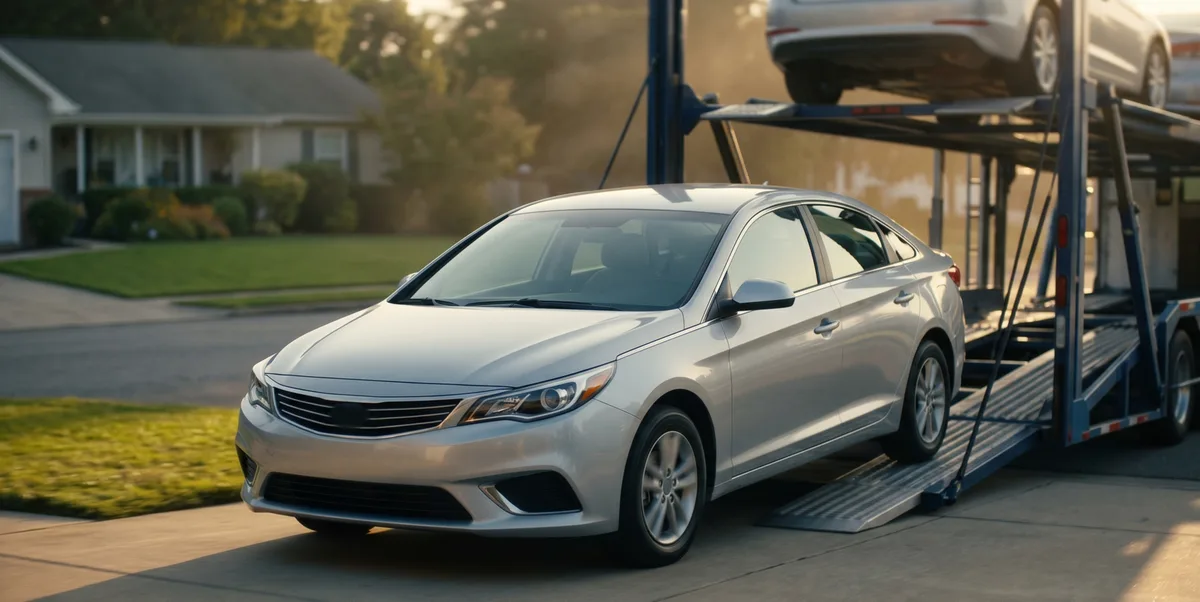

Yes, TrueCar is legit. It has operated since 2005 as an online car-buying marketplace, and in January 2026 it was taken private in a $227 million acquisition led by its founder, Scott Painter, and backed by major institutions including PenFed Credit Union, Zurich North America, and AutoNation. It also powers the auto-buying programs behind well-known organizations such as USAA, Sam’s Club, American Express, and Navy Federal. TrueCar itself does not sell you the car — it connects you with a network of TrueCar Certified Dealers and shows you an upfront price before you walk in. Using it is free for buyers, because dealers, not shoppers, pay TrueCar.
That legitimacy does not mean it is the right tool for every purchase, or that the price you see is automatically the lowest one available. This review explains exactly how TrueCar works, what it costs, where it helps and where it falls short, and how it compares to the other marketplaces we cover. Because TrueCar’s best price is often at a dealership in another state, it also covers the part most reviews skip: how to get a car you buy through it home without driving across the country to fetch it.
Key Takeaways
- TrueCar is a legitimate, long-established marketplace — taken private by its founder in a 2026 institutional buyout — that connects buyers with certified dealers and shows an upfront TruePrice before you visit.
- It is free for buyers because dealers pay TrueCar a fee on each sale, which also means the listings you see are limited to TrueCar’s paying dealer network.
- TruePrice is a strong starting point and a transparency tool, but it is not always the single lowest price, so it pays to cross-check before you commit.
- When you submit a request, your contact details are shared with dealers, so expect follow-up calls and emails.
- The best TruePrice is frequently at an out-of-state dealer, and shipping the car with a vetted auto transport broker is usually cheaper and safer than a long one-way drive. Our car shipping cost calculator shows the number for that route.
What Is TrueCar?
TrueCar is an online automotive marketplace that helps people research, price, and buy new and used vehicles. Founded in 2005, it spent more than a decade as a publicly traded company before its founder-led group took it private in a $227 million buyout in January 2026. A platform that established, now under that kind of institutional ownership, is not a fly-by-night operation, which is part of why questions about its legitimacy are easy to put to rest.
What makes TrueCar distinctive is its reach through partner programs. Rather than relying only on its own website, TrueCar provides the technology behind the car-buying services offered by major banks, credit unions, and membership organizations. When a USAA, Navy Federal, Sam’s Club, or American Express member uses their organization’s “car buying service,” they are usually using TrueCar under a different brand. That institutional trust is one of the strongest signals that the platform is reputable.
How Does TrueCar Work?
TrueCar sits between you and a dealership. You tell it the vehicle you want, and it shows you a TruePrice — an upfront, negotiated-in-advance price from a TrueCar Certified Dealer in your area, along with data on what other buyers have recently paid for the same vehicle. The goal is to replace the back-and-forth of traditional haggling with a number you can see before you ever talk to a salesperson.
The typical flow looks like this. You search for a make and model, review the TruePrice and the price range other shoppers paid, and then submit your information to connect with the certified dealer offering that price. The dealer contacts you to finalize the details, and you complete the purchase at the dealership. Following its 2026 refocus, TrueCar pulled back from trying to be a full online checkout and concentrates on what it does best: upfront pricing and the connection to a local certified dealer.
The key thing to understand is that TrueCar is a lead-generation and pricing platform, not the seller. The transaction itself happens with the dealer. TrueCar’s value is the price transparency and the certified-dealer commitment it brings to the table before that conversation starts.
Is TrueCar Legit and Safe to Use?
TrueCar is legitimate and safe to use in the sense that matters most: it is a real, established company with a long track record and serious institutional ownership, and it does not charge buyers or take payment for vehicles. The most common worries fall into three buckets, and each has a straightforward answer.
Each of the three most common worries has a simple answer. It makes money from dealers, not you — they pay a fee on sales that originate through the platform, which is why you only see prices from participating dealers rather than the whole market. It shares your contact details with the matched dealer so they can reach you, so expect calls and emails — not a data leak, just real follow-up that a dedicated phone number and email keep manageable. And while customer reviews are mixed, that reflects the independent dealership you are handed to, not TrueCar’s legitimacy as a company; the variable is which dealer you end up with.
What Real Customers Say About TrueCar
Customer sentiment is the proof most people want when they ask whether TrueCar is legit, and across Trustpilot, the Better Business Bureau, and forums like Reddit it lands where most marketplace platforms do: mixed, and heavily dependent on the dealer you are matched with — the same dealer-handoff pattern we document in our CarGurus review.
The consistent praise is for the core promise. Buyers who used TrueCar to set expectations report that the upfront TruePrice made the dealership visit faster and less adversarial, and that seeing the recent price range gave them confidence they were not overpaying. The no-haggle framing is the most cited positive.
The consistent complaints center on two things. The first is the volume of dealer contact, because submitting a price request can trigger a rush of calls and emails that catches people off guard. The second is price discrepancy, with occasional reports of a quoted TruePrice not matching the out-the-door figure once dealer fees were added. Both are manageable once you expect them: use a dedicated phone number and email, and insist on an itemized, signed price breakdown before you commit.
TrueCar Pros and Cons
The platform does some things very well and has clear limits. The table summarizes both sides.
| Pros | Cons |
|---|---|
| Free for buyers, with no membership required | You still transact with a dealer, not TrueCar directly |
| Upfront TruePrice removes most of the haggling | Listings limited to TrueCar’s paying dealer network |
| Shows what other buyers recently paid | TruePrice is not always the lowest price available |
| Backed by major institutions (USAA, Sam’s Club, AmEx) | Your contact info is shared, so expect dealer follow-up |
| Covers both new and used, plus selling | Advertised price may not include all dealer fees |
The pattern is consistent with what TrueCar is built to do. It is a transparency and convenience tool that narrows your search and arms you with price data, not a guarantee that you have found the single cheapest car in the country.
Buying a Car on TrueCar
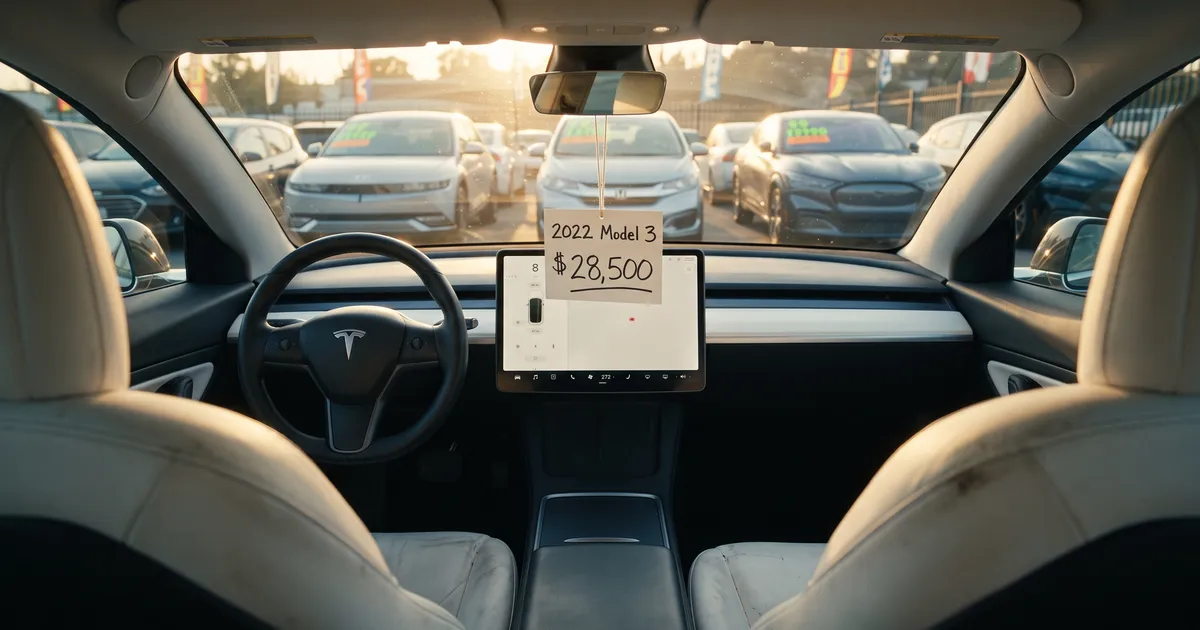
Buying through TrueCar rewards a little preparation. Start by researching the exact trim and options you want, because TruePrice is specific to a configuration, and comparing a base trim to a loaded one will make the numbers look misleading. Once you know the build, pull the TruePrice and note the range other buyers paid, which tells you whether the offer in front of you is strong or merely average.
From there, treat the TruePrice as a floor to validate, not a finish line. Cross-check it against a couple of other sources before committing, because the certified-dealer price can occasionally be beaten by a dealer outside the network or by an incentive TrueCar has not folded in. When the numbers hold up, the upfront price genuinely saves time and removes the most stressful part of the dealership visit.
When the best price is at a dealer far from you, that is not a dealbreaker — buyers routinely have out-of-state purchases delivered rather than making a long one-way drive, which our guides to shipping a car to another state and remote car buyers cover in detail.
Selling a Car on TrueCar
TrueCar can also help on the selling side, though its approach changed in 2026. As part of a post-acquisition refocus, TrueCar shut down the wholesale arm that used to buy vehicles directly and now concentrates on connecting you with its dealer network to handle a trade-in. In practice, you provide your vehicle’s details and TrueCar routes you to participating dealers for an offer, rather than buying the car itself.
That makes it a trade-in facilitation tool more than a direct buyer. The convenience is real — you avoid listing the car privately and managing strangers at your home — but a dealer trade-in prioritizes speed and certainty over the absolute highest dollar, so a well-managed private sale can sometimes net more. It is worth comparing against alternatives like selling to CarMax and the Carvana process before you decide.
TrueCar Fees: Is TrueCar Really Free?
For buyers, TrueCar is genuinely free. There is no subscription, no markup added to your price, and no charge to see TruePrice data or connect with a dealer. The company is paid by the dealers in its certified network, typically through a fee on each vehicle that sells through the platform.
That said, “free to use TrueCar” is not the same as “no fees on your purchase.” The price you finalize is still a dealership transaction, which means taxes, title, registration, and any dealer documentation fees apply just as they would on any car deal. TrueCar helps you start from a transparent vehicle price; it does not remove the standard closing costs that come with buying from a dealer. Reading the full breakout before you sign keeps the final number from surprising you.
How Much Can You Save With TrueCar?
TrueCar’s core promise is savings through transparency, and the platform publishes figures showing buyers paying below MSRP on new vehicles. Those averages are real but should be read carefully, because they reflect the broad pool of shoppers rather than your specific deal — your savings depend on the model, the region, current incentives, and how competitive your local dealers are.
The more useful number is the price range TrueCar shows for your exact configuration: the spread between what the lowest and highest recent buyers paid tells you whether the offer in front of you sits at the good end or the expensive end. Walking in knowing that range is the real advantage, because it closes the information gap dealerships have traditionally relied on. Treat TrueCar as one input — combine it with an independent valuation, check for incentives it may not display, and widen your search radius, since the best deals are often several states away.
TrueCar vs Carvana, CarMax, and Edmunds
TrueCar occupies a specific lane, and it helps to see where it sits against the platforms we have reviewed. TrueCar is a pricing and dealer-connection marketplace: its strength is the upfront TruePrice and the data on what others paid, with the actual sale happening at a franchised dealer.
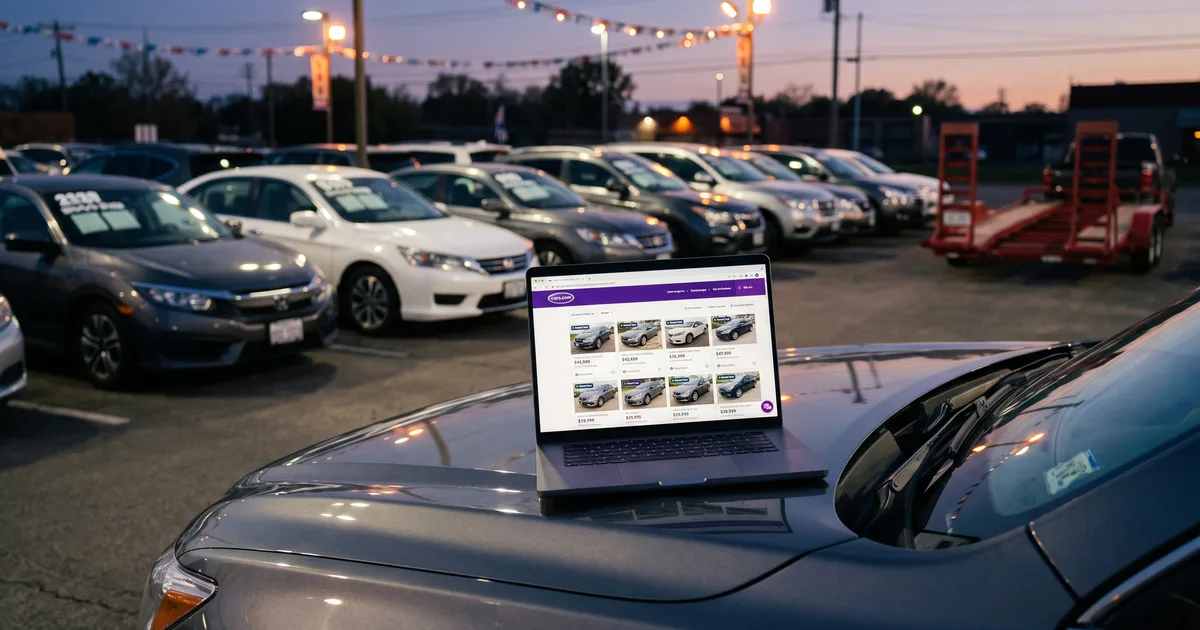
Carvana is a fully online retailer that sells you the car directly with home delivery and a return window, which is a different model entirely. CarMax is strongest as a no-haggle used-car retailer and a fast, fair place to sell. Edmunds leans hardest into research, reviews, and valuation data rather than completing the transaction. Cars.com is a listings marketplace whose standout is built-in dealer reviews, useful for vetting a dealer you can’t visit. A practical approach is to use Edmunds and TrueCar to research and price, then decide whether a dealer purchase through TrueCar, a direct online purchase through Carvana, or a CarMax visit fits your situation. If you are weighing several marketplaces, our roundup of the best used-car websites compares them side by side, and our guide to finding a fair price on a vehicle covers the valuation side.
Getting Your TrueCar Purchase Home
The whole point of TrueCar is to find the best certified-dealer price, and that price is frequently not at the dealership down the street. Once you widen the search to get the best deal, the winning offer can easily be several states away, and a growing share of TrueCar purchases are made remotely.
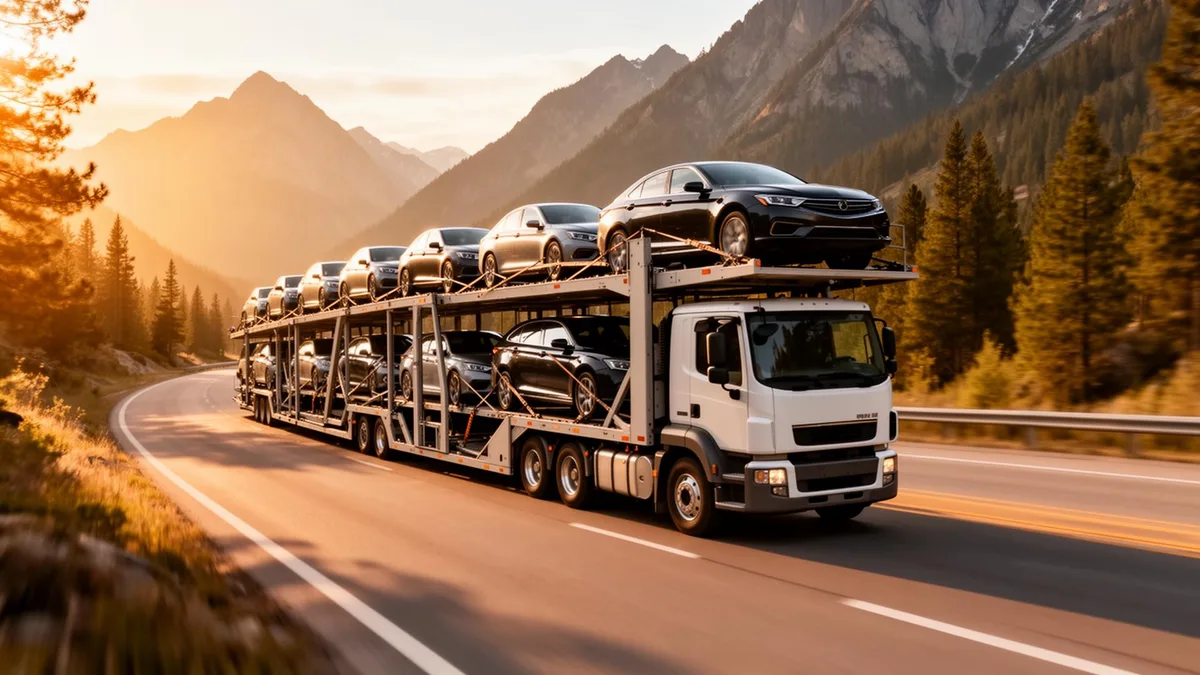
That turns a buying decision into a delivery decision. Driving a newly bought car 1,000 or 1,500 miles home adds wear, fuel, lodging, and highway risk to a vehicle you just paid for. Shipping it instead keeps those miles off the odometer and is often the cheaper option once you account for the true cost of a long one-way trip. A professional auto transport broker arranges a vetted carrier to deliver the car door to door, with open transport as the affordable standard and enclosed transport available for higher-value vehicles.
Before you book transport on an out-of-state purchase, lock down the details while the car is still on the dealer’s lot. Ask the dealer to email a photo of the window sticker and confirm the VIN matches the vehicle in your TrueCar file, so the trim and options are exactly what you priced. Then get a signed, itemized buyer’s order that spells out documentation fees, dealer-installed accessories, and any state transit charges, since the TruePrice does not include those. Those two checks take minutes and prevent the most common remote-purchase surprises: a swapped configuration or a final number that drifted from the quote.
SAKAEM Logistics is a licensed auto transport broker, not a trucking carrier, and every carrier we assign is verified through the Federal Motor Carrier Safety Administration (FMCSA) for active operating authority, insurance, and safety record before it touches your car. If your best TruePrice is out of state, we can coordinate pickup directly from the selling dealership so the only thing left for you to do is take delivery at home.
TrueCar Review FAQ
Is TrueCar legit?
Yes. TrueCar is a legitimate company that has operated since 2005 and powers the car-buying programs of major institutions like USAA, Sam’s Club, and American Express. In January 2026 it was taken private in a $227 million buyout led by its founder and backed by PenFed, Zurich, and AutoNation. It connects you with certified dealers and is free for buyers.
Is TrueCar safe to use?
Yes. TrueCar does not sell you the car or take payment, and it does not charge buyers. The main thing to know is that your contact information is shared with the certified dealer tied to your price request, so you should expect follow-up calls and emails.
Is TrueCar free?
For buyers, yes — there is no fee, subscription, or markup to use TrueCar. The company is paid by the dealers in its network, typically through a fee on each sale. Standard taxes, title, registration, and dealer fees still apply to the purchase itself.
How does TrueCar make money?
Dealers pay TrueCar to be part of its certified network, generally a fee on each vehicle that sells through the platform. Buyers pay nothing, which is why TrueCar’s listings come only from participating dealers rather than the entire market.
How does TrueCar work?
You search for a vehicle, view its TruePrice and the range other buyers recently paid, and connect with the certified dealer offering that price. The dealer finalizes the sale with you. TrueCar provides the pricing transparency and dealer connection, not the transaction itself.
Are TrueCar prices actually the lowest?
Not always. TruePrice is a strong, transparent starting point and is often competitive, but a dealer outside TrueCar’s network or an unlisted incentive can occasionally beat it. Treat the TruePrice as a number to validate against one or two other sources before committing.
Does TrueCar sell your information?
TrueCar shares your contact details with the certified dealer connected to your price request so they can reach you to complete the sale. That is how the free-to-buyer model works, so expect dealer follow-up, but it is part of the process rather than an unexpected data sale.
Is TrueCar better than Carvana or CarMax?
They serve different needs. TrueCar prices and connects you to franchised dealers, Carvana sells directly online with home delivery, and CarMax is a no-haggle used-car retailer and a fast place to sell. Many buyers research with TrueCar and Edmunds, then choose the buying channel that fits their situation.
Can I buy a car on TrueCar from another state?
Yes. Buyers routinely purchase from out-of-state certified dealers, which is common because the best TruePrice is often not local. You can arrange to have the vehicle shipped rather than driving to pick it up.
How do I get a car bought through TrueCar delivered?
A licensed auto transport broker arranges a vetted carrier to pick the car up at the selling dealership and deliver it to your door. You can choose open transport for everyday vehicles or enclosed transport for higher-value ones, and you do not need to be present at pickup as long as the dealer can release the car.
Who Should Use TrueCar?
TrueCar fits some buyers better than others. The quick guide:
| Buyer type | Good fit? |
|---|---|
| First-time buyer wanting price clarity | Yes |
| New-car buyer | Yes |
| Used-car buyer (from a dealer) | Yes |
| Deal hunter willing to widen the search | Yes |
| Buyer who wants to avoid all dealer contact | No |
| Private-party shopper | No |
TrueCar is best for buyers who want transparent, upfront pricing, who are comparing dealers, or who are buying remotely from out of state. It is less ideal for people who want to avoid dealer phone calls entirely, or who are set on a private-party purchase, since the platform is built around franchised and certified dealers rather than individual sellers.
The Bottom Line
TrueCar is legit. It is an established marketplace — now privately held under its founder after a 2026 institutional buyout — that brings real price transparency to car buying and is genuinely free for shoppers, backed by the trust of the major organizations whose buying programs it powers. Its limits are equally clear: you still buy from a dealer, the listings come from a paid network, the TruePrice is not always the outright lowest, and your details get passed along for follow-up. Used with a little cross-checking, it is a legitimate and useful tool, not a magic bullet.
The most common surprise for TrueCar buyers is geographic, not financial: the best price is often at a dealership far from home. If that is where your deal is, you do not have to drive for it. Get a free, no-obligation shipping quote or call SAKAEM at (470) 410-6364, and we will arrange FMCSA-verified door-to-door transport from the selling dealer straight to your driveway.