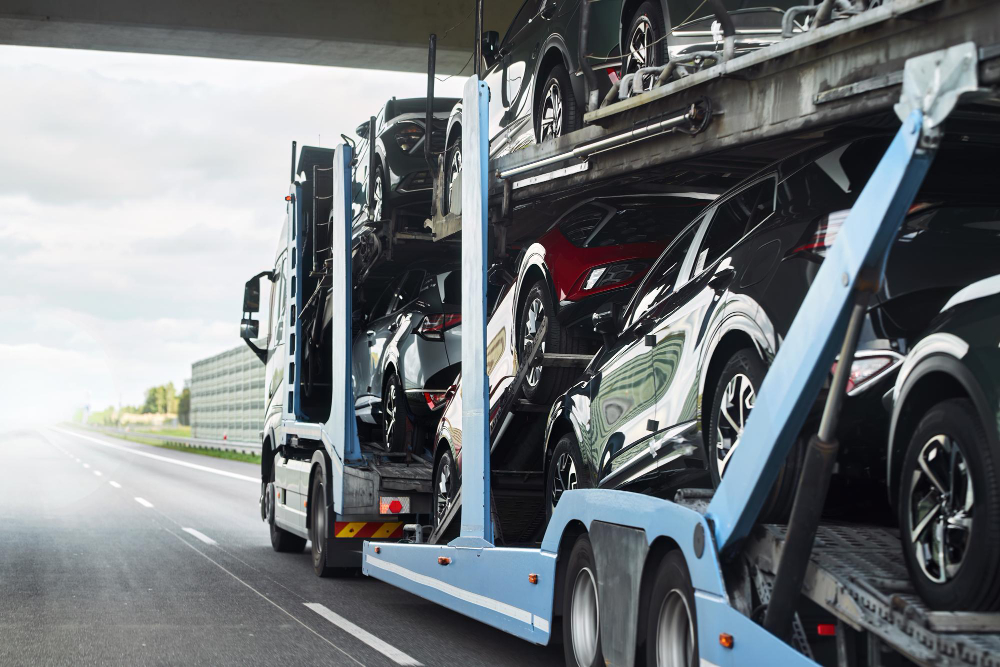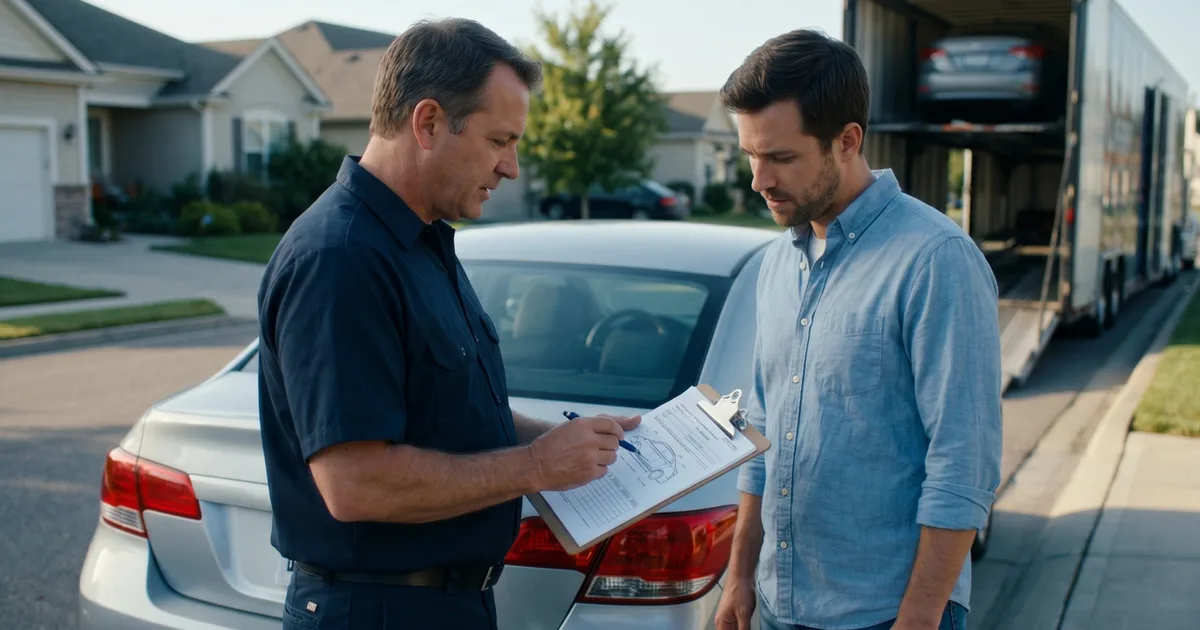
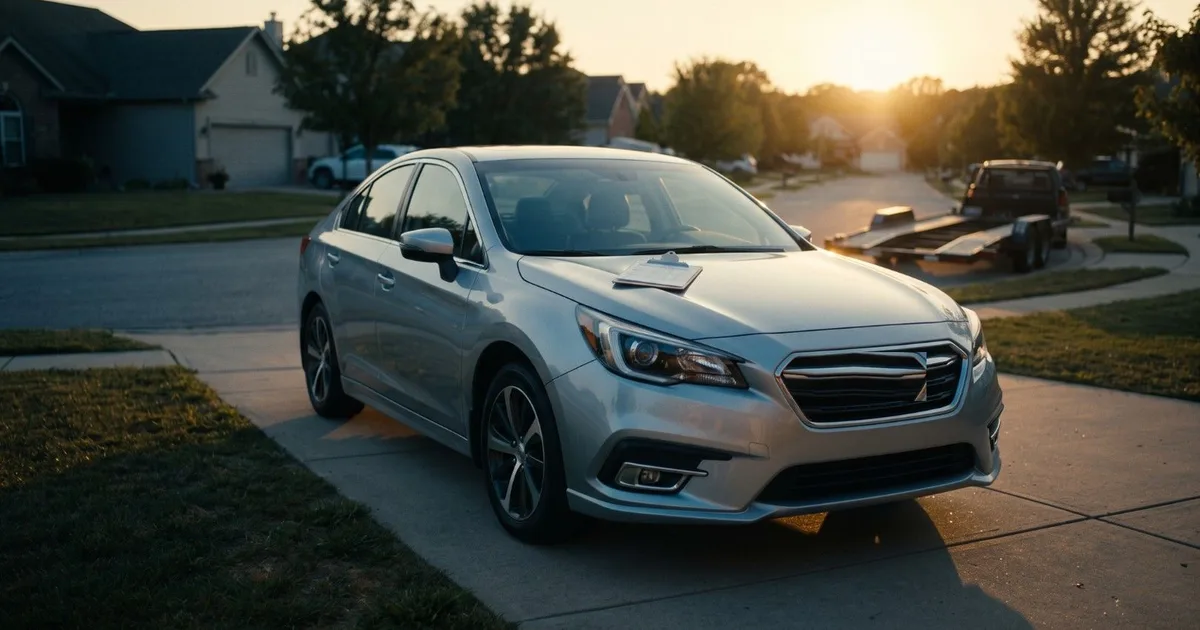

Finding new damage on your car at delivery is the scenario every shipping customer worries about, and the honest news is that it’s rare. Fewer than 1 percent of SAKAEM Logistics shipments in 2026 have had any damage reported. Still, auto transport damage does happen, and when it does, what you do in the first ten minutes at delivery matters more than anything you do afterward.
This guide covers how to spot car shipping damage, what to document before the driver pulls away, and how claims actually get resolved, including two things most brokers never explain to customers: double brokering and cargo insurance deductibles. As an auto transport broker, we sit between the customer and the carrier on every claim, and every carrier we assign is verified through FMCSA records before a vehicle ever gets loaded, so this is written from the side of the table that handles the process.
The 30-Second Answer
If your car was damaged during shipping, don’t let the driver leave. Photograph and video every issue, write each one into the delivery section of the Bill of Lading before you sign it, and notify your broker the same day in writing. Everything else in the claims process builds on what you record in those first few minutes.
Key Takeaways
- Fewer than 1 percent of our shipments this year have had any damage reported, and most incidents that do occur are minor and cosmetic.
- Note every issue on the Bill of Lading before you sign at delivery, because an unmarked BOL is the hardest evidence gap to recover from.
- Most carrier cargo insurance policies carry a $2,500 to $5,000 deductible, which quietly changes how smaller claims actually get paid.
- Confirm the truck that arrives matches the carrier your broker assigned, since double-brokered loads can leave damage without insurance coverage.
How Often Does Auto Transport Damage Happen?
Auto transport damage is much rarer than most first-time shippers expect. Fewer than 1 percent of the vehicles we’ve shipped since the start of 2026 have had any damage reported, and across the industry the overwhelming majority of moves end with nothing worse than road dust. When car shipping damage is reported, it’s usually minor and cosmetic rather than structural.
How to Tell If Your Car Was Damaged During Shipping
Inspect the vehicle at delivery, before you sign anything, in the best light you can get. Night deliveries and rain hide damage well, so use your phone flashlight, take your time, and walk the full perimeter slowly. Check these areas in order:
- Body panels and paint: chips, scratches, and dents, especially on edges and lower panels
- Wheels and rims: scrape marks that can happen during loading and unloading
- Glass: windshield chips or cracks, particularly on vehicles that rode on an open trailer
- Roof, hood, and trunk lid: the surfaces exposed to debris in transit
- Front bumper and undercarriage: low ground clearance can contact ramps during loading
- Fluids and warning lights: look under the car where it sat, then start it and scan the dash
- Interior: only relevant if items were left inside or the cabin was accessed
Compare everything against the photos from pickup. The inspection at the origin, recorded on the Bill of Lading, is the baseline that makes delivery-day damage provable in the first place.
Auto Transport Damage: Steps to Take
If you find something, don’t panic and don’t refuse the car. The process below protects you, and it all happens at the delivery point in about fifteen minutes.
Inspect Before You Sign Anything
Do the full walk-around with the driver present. A professional driver expects this and waits; anyone rushing you past the inspection is a red flag in itself.
Document Damage on the Bill of Lading
Write every issue into the delivery inspection section of the Bill of Lading before you sign it, no matter how small, and be specific about location and type. Then take your own timestamped photos and video of each item, plus wide shots of the whole car. Damage recorded on the BOL with matching photos creates extremely strong claim evidence. Damage first reported after a clean BOL was signed is considerably harder to prove. The full paperwork picture is covered in our car shipping documents rundown.
Do a Quick Mechanical Check
Start the engine, scan for warning lights, and glance under the car for fresh fluid spots. Mechanical damage during transport is rare, but the same rule applies: document anything on the spot, not days later.
Report It the Same Day
Call your broker as soon as the driver leaves, then follow up in writing with the photos attached so a record exists. At SAKAEM we open the claim with the carrier directly and manage it from there. Clear-cut cosmetic claims with clean documentation typically resolve within a few weeks; disputed or larger claims take longer.
What Brokers Don’t Explain: Double Brokering and Deductibles
Most guides stop at “document the damage and file a claim.” The two things below are what actually decide whether a claim pays out, and almost nobody in this industry explains them to customers.
Double Brokering
Double brokering is when the carrier assigned to your vehicle hands the job to a different company, often a local operator your broker never vetted, without telling anyone. It’s the biggest hidden risk in auto transport, because if that unvetted company damages your car, in our experience the original carrier’s insurer will most likely deny the claim, since the company that physically transported the vehicle isn’t the one their policy covers.
The defense is simple and takes thirty seconds: before releasing your vehicle at pickup, confirm the company name on the truck and the driver’s paperwork match the carrier your broker told you to expect. We give every customer the assigned carrier’s name before pickup for exactly this reason. If the names don’t match, don’t hand over the keys, and call your broker immediately.
The Deductible Gap
Among the carrier policies we review during vetting, $2,500 and $5,000 deductibles are the standard, with $2,500 the most common. That means if your repair estimate comes in under the deductible, the insurance company pays nothing at all, and a large share of cosmetic transport damage falls exactly in that range.
This is where a broker earns their fee. When repairs land below the deductible, we get an official damage assessment and push the carrier to cover the repair out of pocket. Carriers depend on brokers for future business and on their reputation in the rating systems brokers use to select companies, which is real leverage a customer acting alone doesn’t have. How cargo and liability coverage fit together is covered in depth in our auto transport insurance guide.
Here’s how the common damage scenarios actually resolve:
| Scenario | Who Pays | Your Move |
|---|---|---|
| Damage on BOL, repair above deductible | Carrier’s cargo insurance | File through your broker with full documentation |
| Damage on BOL, repair below deductible | The carrier directly, out of pocket | Broker pushes the carrier after an official assessment |
| Load was double brokered to an unvetted company | Often nobody; coverage typically fails | Don’t release the car if names don’t match; call your broker |
| Damage reported after a clean BOL was signed | Usually nobody; very hard to prove | Same-day photos and written notice are your only leverage |
Working the Claim: What Gets Results
Whether the path is the carrier’s insurance or the carrier’s own pocket, the same three habits separate car shipping damage claims that pay from claims that stall. Send everything at once rather than in pieces: the annotated BOL, pickup photos, delivery photos and video, and a written repair estimate from a body shop. Keep all communication in writing, even after phone calls, so the paper trail is continuous. And follow up persistently on a schedule; claims rarely die from rejection, they die from silence. Your broker should be doing the chasing for you.
How We Keep Damage Below 1 Percent
Prevention is the part of this we control, and it’s why our damage rate stays under 1 percent. Before any carrier gets assigned a SAKAEM vehicle, we verify their DOT and MC numbers are active in the FMCSA carrier database, confirm they hold active cargo insurance, check our internal records of every load they’ve run for us before, review their federal safety and inspection history, and check their standing on the industry platforms where brokers rate carriers. On your side, the guidelines we send before pickup, photographing the car, noting existing damage, and preparing the vehicle properly, close most of the remaining gaps.
Bottom Line
Auto transport damage is rare, and when it happens it’s a documentation game: inspect at delivery, write everything on the BOL before signing, photograph it, and report it the same day. The less visible factors, double brokering and insurance deductibles, are exactly why the broker you choose matters more than most customers realize. SAKAEM Logistics is an auto transport broker (MC 16237) shipping vehicles door to door since 2017, with fewer than 1 percent of this year’s shipments reporting any damage. Get a quote and we’ll handle the vetting, the paperwork, and if it ever comes to it, the claim.
Auto Transport Damage FAQ
How often are cars damaged during shipping?
Damage is rare: fewer than 1 percent of SAKAEM shipments in 2026 have had any damage reported, and most reported incidents are minor and cosmetic. Industry-wide, the large majority of vehicles arrive exactly as they were loaded.
Can I refuse delivery if my vehicle is damaged?
Refusing delivery usually works against you, since it can trigger storage fees and redelivery complications without strengthening your claim. Accept the vehicle, document every issue on the Bill of Lading before signing, photograph everything, and report it to your broker the same day.
How long do I have to report damage after my car is delivered?
Report it immediately, ideally while the driver is still present so it’s recorded on the Bill of Lading. Damage noted at delivery is straightforward to pursue; most carriers’ terms give only a short window, often 24 to 48 hours, for anything reported after the fact.
What should I do if I notice damage after the carrier has left?
Photograph it immediately and notify your broker in writing the same day. A claim is still possible, especially with pickup photos proving the damage wasn’t pre-existing, but it’s an uphill case compared to damage noted on the BOL, which is why the delivery inspection matters so much.
Who pays for auto transport damage?
The carrier’s cargo insurance covers transport damage, not the broker’s policy or your personal auto insurance. If the repair cost falls below the carrier’s deductible, commonly $2,500 to $5,000, a good broker pushes the carrier to pay for the repair directly after an official assessment.
Is the car shipping company responsible for damage?
The carrier that physically transports your vehicle is responsible for damage that happens in its custody, and its cargo insurance is the policy that pays. The broker isn’t the insurer, but a good one manages the claim, supplies the documentation, and applies the leverage that gets carriers to pay, especially on repairs below the deductible.
What if the truck that shows up isn’t the company my broker assigned?
Don’t release the vehicle, and call your broker before anything else. A mismatched company name can mean the load was double brokered to an unvetted operator, and damage caused by a company that wasn’t the insured, assigned carrier will most likely not be covered by that carrier’s insurance.
How can I protect my vehicle from damage before shipping?
Wash the car, photograph it from all angles in good light, note existing damage on the pickup inspection, remove loose items and accessories, and fold in the mirrors. A documented, clean, well-prepared car gives damage nowhere to hide at either end of the trip.
Does enclosed transport reduce the risk of vehicle damage?
Yes. An enclosed trailer eliminates exposure to road debris and weather, which cause most cosmetic transport damage, and enclosed carriers typically haul fewer vehicles with more securing points per car. Our open versus enclosed guide covers when the extra cost is worth it.