
Car shipping from Washington, District of Columbia to San Francisco, California

Last updated: February 2026

Mike De Candia
Certified by:
Mike De Candia
Mike started working for SAKAEM in 2012 and has been successfully transporting cars ever since.

Pete Bottino
Sakaem is operated by:
Pete Bottino
Pete has been in the transportation industry for nearly 40 years and launched SAKAEM back in 2012.
The SAKAEM Price Match

We guarantee to match any price you find. We are experts at finding the best price for your shipment and getting the best value for your money.

WASHINGTON TO SAN FRANCISCO

Auto Transport from Washington to San Francisco

Planning to ship your car from Washington, DC to San Francisco, CA? You're looking at a 2,800-mile cross-country journey that requires the right auto transport partner. Since 2012, Sakaem Logistics has helped thousands navigate car shipping costs, timelines, and logistics for this exact route. This guide breaks down everything you need to know—from pricing to delivery times—so you can ship your vehicle with confidence.

Average Distance, Time
and Cost

AVG DISTANCE
2,811 mi
AVG TRANSIT TIME
4-10 days
AVG COST
$1200 - $1400
REAL-TIME PRICING DATA

Recent Washington, DC to San Francisco, CA Shipments

Actual car shipping prices from the last 30 days for routes between Washington, DC and San Francisco, CA. These represent real customer shipments handled by Sakaem Logistics' verified carrier network.

Live Pricing from Completed Routes Updated: February 2026
Origin Destination Total Cost Trailer Vehicle
Clinton, MD San Francisco, CA 1050 Open Car
Silver Spring, MD Fairview, CA 950 Open SUV
Great Falls, VA San Mateo, CA 1025 Open SUV
Alexandria, VA Oakland, CA 900 Open Car
Alexandria, VA Oakland, CA 950 Open Car
Falls Church, VA Berkeley, CA 1000 Open SUV
Chantilly, VA San Mateo, CA 1100 Open Car
Rockville, MD Berkeley, CA 1075 Open Car
Potmac, MD Sf, CA 800 Open Car
Laurel, MD Fremont, CA 950 Open Car
WASHINGTON, DC TO SAN FRANCISCO, CA CAR SHIPPING

Key Takeaways From This Article

TESTIMONIALS

What SAKAEM's Customers are Saying

Google logo
Sakaem Logistics transported my son's Acura from Los Angeles, CA to Waco, Texas in 5 days. Tim, who drove the transport was professional and courteous and kept communications prior to pickup and close to delivery time. Everything went smoothly with no issues. Price was competitive with other firms. I will use Sakaem again and highly recommend them for your transport needs.
Joon Lee
Aug 2022
Google logo
I had Sakaem Logistics move my daughters car from Washington to Florida. I was very happy with their attention to detail and they stayed in touch with me the entire time! Highly recommend for professional service!
Sheila Friesner
Mar 2022
Google logo
Quick fast and easy delivery. Service was great! Drivers drove from New York to Missouri picked the car up on Friday Dropped it off in Federal Way Washington Monday. I will recommend and use them in the future.
Emily Madison
Aug 2023
WHY CHOOSE SAKAEM?

Let us handle shipping your car from Washington to San Francisco

EXPERIENCE

Trust the experts with your car relocation. Years of experience mean your vehicle is well taken care of. A strong track record of safety and service lets you relax, knowing your car is in good hands.

TRANSPARENCY

Understand what your quote includes and the quality you're paying for when shipping with a reputable carrier. Fair and transparent pricing lets you confidently book your car transport.

AFFORDABILITY

There are no upfront costs when booking. Don't pay for your service until you receive it. Book your shipment and pay your deposit when the truck is dispatched for pickup.

PERSONALIZED

Have a team ready to assist you with a smooth shipping process. Our team aims to customize your booking to fit your individual needs while addressing your questions and concerns.

COMPREHENSIVE

Enjoy one point of contact from start to finish for a hassle-free shipping process. Your dedicated advisor will expertly guide you through each step for easy auto transport.

INSURED

All carriers are vetted through FMCSA for valid insurance. Trust our experts to select a safe, highly vetted carrier and deliver your vehicle securely to its destination.

KEY FACTORS

Factors that Affect Washington, District of Columbia to San Francisco, California Shipping Prices

Distance

The roughly 2,900-mile journey from Washington, DC to San Francisco, CA is one of the longest cross-country routes in the U.S. Distance is the biggest cost factor in car shipping—the further you go, the more you pay. However, longer routes often have better per-mile rates than shorter trips. For this coast-to-coast haul, expect distance to be your primary expense, but you're getting good value compared to shorter regional moves.

Season

Summer months (May through September) are peak moving season, especially for cross-country routes. College students, families relocating, and snowbirds all compete for carriers, driving prices up 20-30%. Winter offers the best rates, though weather delays are possible. Spring and fall hit the sweet spot—moderate pricing with reliable service. If your timeline is flexible, avoid June through August to save money.

Route

The DC to San Francisco route follows major interstates like I-70 and I-80, which is great news for your wallet. These heavily-traveled highways mean carriers make this trip regularly, keeping costs competitive. You're not dealing with remote back roads or hard-to-reach areas. This popular route works in your favor—carriers can easily fill their trailers with multiple vehicles heading west, which helps keep your price down.

Vehicle Type

Standard sedans are the cheapest to ship on this route. SUVs, trucks, and larger vehicles cost 10-25% more due to their weight (which burns more fuel over 2,900 miles) and the space they take up on the carrier. Oversized vehicles also limit how many cars a trailer can carry, so carriers charge more to compensate. If you're shipping a full-size pickup or large SUV, budget accordingly.

Traffic Considerations

The week before Thanksgiving is the busiest travel time in America, and car carriers face the same highway congestion as everyone else. Summer holiday weekends (Memorial Day, July 4th, Labor Day) also create delays. These slowdowns mean carriers can handle fewer deliveries, which increases prices. Book around these peak periods when possible. Mid-week pickups and deliveries also tend to move faster than weekend scheduling.

Carrier Availability

This transcontinental route sees steady carrier traffic year-round, but availability fluctuates with demand. During peak summer months, you might wait 1-2 weeks for pickup as carriers fill up quickly. In the off-season (November through March), carriers are often available within 3-5 days. Book at least two weeks ahead during busy periods. Last-minute bookings always cost more, regardless of season.

Population Density

Washington, DC and San Francisco both present urban challenges, but they're manageable. DC's beltway suburbs and San Francisco's Bay Area have plenty of accessible pickup and delivery points. However, if you're in downtown DC or trying to deliver to a narrow San Francisco street, expect potential upcharges ($50-150). Consider meeting the carrier at a nearby parking lot or suburb with easy truck access. This simple step can save money and speed up the process.

Tips & Tricks for Saving on Vehicle Shipping

1

Off Season Savings

Timing matters when shipping your car cross-country. Avoid peak seasons like summer and snowbird migration periods (fall and spring) when demand spikes. Even shifting your shipment by a few weeks during slower months can significantly reduce your Washington, DC to San Francisco costs.

2

Flexible pickup & delivery

Carrier-accessible locations save money. Meet your driver near major highways or truck-friendly areas with ample parking instead of narrow residential streets. In Washington, DC and San Francisco, choosing pickup spots along I-80 or I-5 corridors makes loading easier and reduces your shipping costs.

3

Hub city advantages

Major highway proximity means competitive pricing. Washington, DC's access to I-95 and I-70, plus San Francisco's connection to I-80 and I-580, attracts more carriers. More carrier options create price competition. If shipping to rural Bay Area locations, consider delivery to highway-adjacent cities instead.

4

Weather considerations

Weather impacts shipping costs and timing. Winter snow across northern routes and extreme summer heat through Nevada can delay shipments or increase prices. Plan your Washington, DC to San Francisco transport during mild weather months—late spring or early fall—for smoother logistics and potentially lower rates.

5

Booking in advance

Early booking beats last-minute pricing every time. Reserve your Washington, DC to San Francisco shipment weeks ahead to secure lower rates and better carrier availability. Last-minute bookings limit options and increase costs as carriers charge premiums for rushed scheduling and route adjustments.

6

Open carrier transport

Open trailers cost significantly less than enclosed options and safely transport most vehicles. Your standard car handles cross-country open transport well. Reserve enclosed trailers for luxury, classic, or high-value vehicles needing extra weather and road debris protection on the Washington-to-San Francisco route.

7

Flexible dates

Date flexibility unlocks savings. Offering carriers a five-day pickup and delivery window helps them optimize their Washington, DC to San Francisco routes efficiently. This flexibility lets drivers consolidate loads better, passing savings to you while ensuring reliable service at reduced rates.

8

Compare quotes

Get multiple quotes from reputable auto transport companies to find the best deal for your Washington to San Francisco car shipping needs. We will match any competitor's quote.

Moving Insights

Things to Know About Moving from Washington to San Francisco

Professional auto transport service for city-to-city moves

When moving from Washington, DC to San Francisco, CA, you'll need to register your vehicle with the California DMV within 20 days of establishing residency [CA DMV]. California requires a VIN verification, smog certification for vehicles older than four model years, and proof of insurance before registration [CA DMV]. DC doesn't require emissions testing, but California has strict standards—your vehicle must pass a smog check, which can be challenging for older cars [CA BAR]. Before arranging car shipping or auto transport, ensure your vehicle meets California's emissions requirements to avoid registration delays.

California has stricter vehicle laws than DC. Window tinting is limited to 70% light transmission on front side windows, compared to DC's 70% rule [CA DMV]. California also enforces bumper height restrictions and prohibits certain modifications common in other states [CA Vehicle Code]. For insurance, California requires minimum liability coverage of 15/30/5, similar to DC's requirements, but rates in San Francisco tend to be higher due to urban density and theft rates [CA DOI]. When planning auto transport from Washington, DC to San Francisco, CA, consider that you won't need winter tires in San Francisco's mild climate, unlike DC's snowy winters. Remove any aftermarket modifications before shipping to ensure compliance with California regulations.

FREQUENTLY ASKED QUESTIONS

Washington, District of Columbia to San Francisco, California Vehicle Transport FAQs

Our team has been in the car shipping industry for a long time. We worked for some of the largest brokers and knew there was a better way to do things.

So we set out to create a company that would be different. We want to walk you through how the process works and we guarantee to match any price you hear from a competitor.

We're a scrappy team that looks forward to earning your business.

Preparing your vehicle for the cross-country journey from Washington, DC to San Francisco, CA is straightforward. Here's what you need to do:

Clean your car inside and out. This helps you document its condition with photos before shipping and makes the inspection process easier.

Remove personal items. Take out toll passes (like E-ZPass), GPS devices, and any loose items. Insurance typically doesn't cover personal belongings during transport.

Check fluid levels and tire pressure. Your car needs to be in running condition for loading and unloading. Fix any leaks before shipping.

Disable alarms. This prevents issues during the 7-10 day transit across the country.

Leave a quarter tank of gas. This is enough for loading/unloading but keeps the vehicle lighter for transport.

Remove or secure exterior accessories. Take off bike racks, roof boxes, or custom spoilers that could be damaged on the 2,800+ mile trip.

Provide a spare key. The carrier will need this for loading, transport, and delivery in San Francisco.

For a complete checklist and more details, visit our Vehicle Shipping Tips page. Taking these simple steps ensures a smooth shipping experience coast-to-coast.

Yes, your vehicle is fully insured during transport from Washington, DC to San Francisco, CA. At Sakaem Logistics, we require all our carriers to maintain at least $1,000,000 in liability insurance and $100,000 in cargo insurance.

Before your vehicle leaves Washington, DC, we verify that the carrier's insurance is active and valid for the entire cross-country journey to San Francisco. You'll receive a copy of the carrier's insurance certificate before pickup, giving you peace of mind for this 2,900-mile trip.

This coverage protects your vehicle against damage during loading, transport, and unloading. While incidents are rare, having this insurance ensures you're protected throughout the journey across the country.

We recommend booking your car shipment from Washington, DC to San Francisco at least 1-2 weeks in advance. However, the earlier you schedule, the better your chances of securing competitive rates and preferred pickup dates.

Here's why early booking matters:

  • Better carrier availability: The DC to San Francisco route is popular, but carriers need time to plan their routes and bundle shipments efficiently.
  • More competitive pricing: Last-minute bookings often cost 20-30% more due to limited carrier options.
  • Flexible scheduling: Early booking gives you more control over your pickup and delivery windows.

If you're moving during peak season (May-September) or around holidays, we suggest booking 3-4 weeks ahead when possible. That said, we've successfully arranged shipments on shorter notice—sometimes within 2-3 days—so don't hesitate to reach out even if your timeline is tight.

Bottom line: Book as soon as you know your moving dates. This cross-country route typically takes 7-10 days for delivery, so factor that into your planning as well.

We accept all forms of payment. We can arrange credit cards or arrange for you to pay the carrier directly through cash/certified check. We even accept payment via Cash/Zelle/Venmo.

Your shipment with SAKAEM includes up to 100 lbs of personal items or household goods stored in the trunk area or secured below the window line. If your shipment includes ocean transit (Hawaii shipments), your vehicle must be emptied of all items. SAKAEM and your assigned carrier are not responsible for personal items left inside your vehicle. See our Auto Transport Process Article for more details.

A designated (adult) must be present at pickup and delivery. This designated person plays an important role in the shipping process including documenting the state of the vehicle and signing the Bill of Lading, which acts as a receipt of the vehicle's condition.

When shipping your car from Washington, DC to San Francisco, CA, you have two main options:

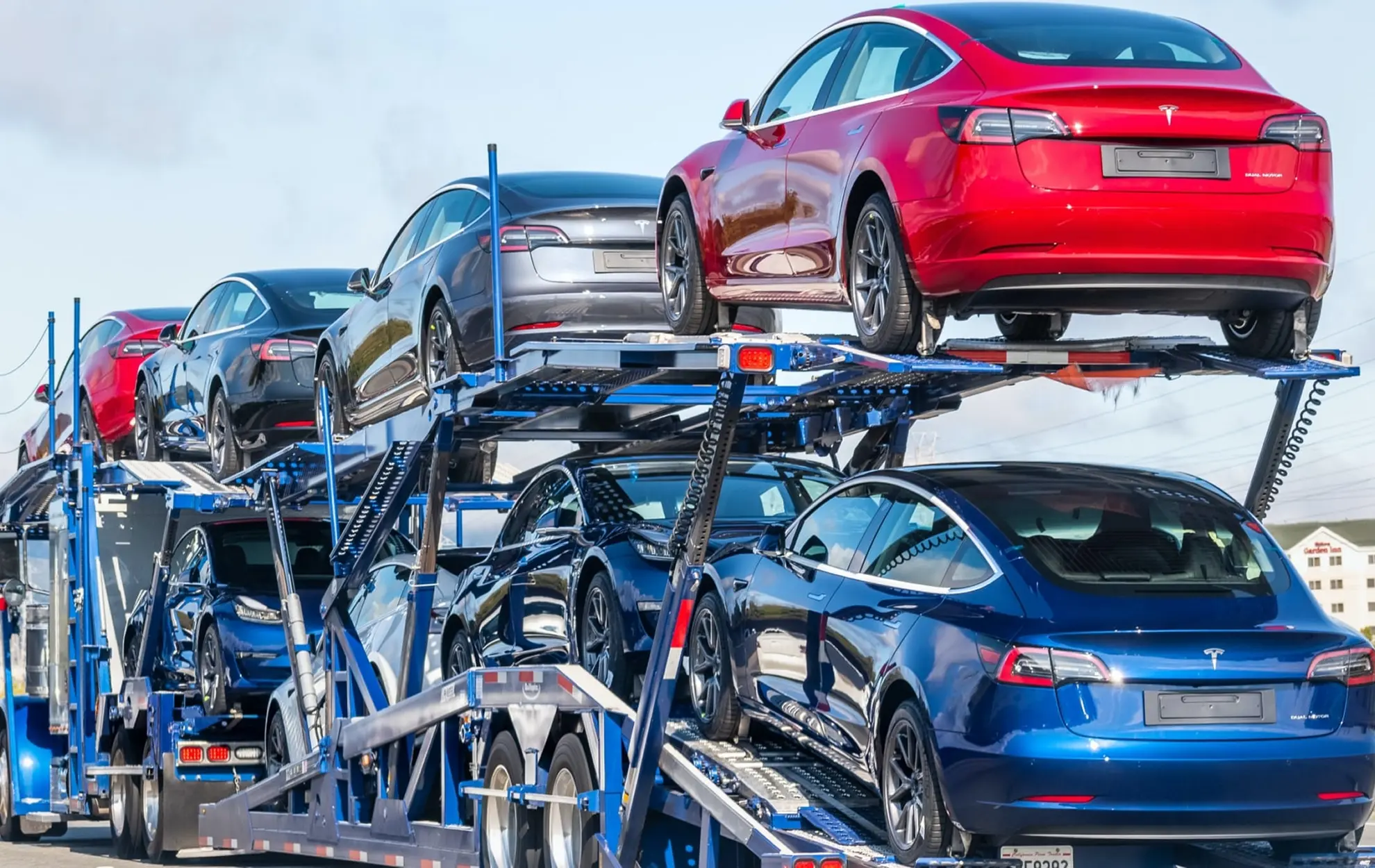
Open Auto Transport is the most popular and affordable choice. Your vehicle is loaded onto an open-air carrier (the same trucks you see hauling cars on highways). While your car is exposed to weather and road debris during the 2,800-mile journey, this method is safe for most vehicles and costs significantly less.

Enclosed Auto Transport provides full protection inside a covered trailer. This shields your vehicle from weather, dust, and road debris. Enclosed transport typically costs 50-60% more than open transport on this cross-country route.

Which should you choose? Most people choose open transport—it's reliable and budget-friendly. Consider enclosed transport if you're shipping a luxury car, classic vehicle, exotic sports car, or any car with custom paint or modifications. The extra cost is worth it for high-value vehicles where even minor damage could be expensive to repair.

Both options are fully insured for the DC to San Francisco route. At Sakaem Logistics, we'll help you decide which method makes sense for your specific vehicle and budget.

Yes, we offer door-to-door auto transport service from Washington, DC to San Francisco, CA. This is our standard shipping method and the most convenient option for most customers.

Here's how it works: When you book your shipment, simply provide your preferred pickup address in Washington, DC and your delivery address in San Francisco, CA. Our assigned carrier will come directly to your location to pick up your vehicle and deliver it right to your destination.

In some cases, large car carriers may have difficulty accessing narrow residential streets, tight apartment complexes, or areas with low-hanging trees and power lines. If your location isn't accessible for an 80-foot carrier, don't worry - the driver will contact you to arrange a safe, nearby meeting spot like a shopping center parking lot or gas station. This happens occasionally but is easy to coordinate.

Door-to-door service is included in your quote at no extra charge. It saves you time and eliminates the need to drop off or pick up your vehicle at a terminal.

We transport sedans, SUVs, pickup trucks, electric vehicles, vans and motorcycles across all 48 continental states + Hawaii. Our services even provide shipment for golf carts, ATVs, or RVs. We can ship vehicles that don't run so long as the vehicle can roll, brake, and steer, and that you can provide the carrier with a key to the vehicle. The only exception is boats, which we do not transport.

Visit SAKAEM Logistics' FAQ page to learn more about car shipping!

Car Shipping 101

How Auto Transport Works

If you're new to car shipping from Washington, DC to San Francisco, CA, understanding the process is simple. The auto transport industry has two main players: brokers and carriers. Brokers like Sakaem Logistics act as intermediaries who connect you with carriers. Carriers are the companies with trucks that physically transport your vehicle across the 2,811-mile journey. Using a reputable broker is essential because they ensure your car is handled by licensed, insured carriers with verified reviews.


The car shipping process begins when you contact a broker like Sakaem Logistics to discuss your needs for transporting your vehicle from Washington, DC to San Francisco, CA. Once you're ready to proceed, your broker will locate a qualified carrier and schedule your pickup. The carrier will then collect your vehicle at your specified location in Washington, DC. During the 4-10 day transit period, your car will travel safely across the country. Upon arrival in San Francisco, CA, the carrier will deliver your vehicle and conduct a final inspection with you.


Before your auto transport begins, there are important preparation steps to follow. Remove all personal belongings from your car, as carriers cannot transport items inside the vehicle. Ensure your car can roll freely, even if it doesn't run, since carriers need to load and unload it. Keep your gas tank at about a quarter full—enough for loading and unloading, but not so much that it adds unnecessary weight. If you're shipping a luxury or classic vehicle, consider requesting an enclosed trailer for maximum protection during your car shipping journey from Washington, DC to San Francisco, CA.