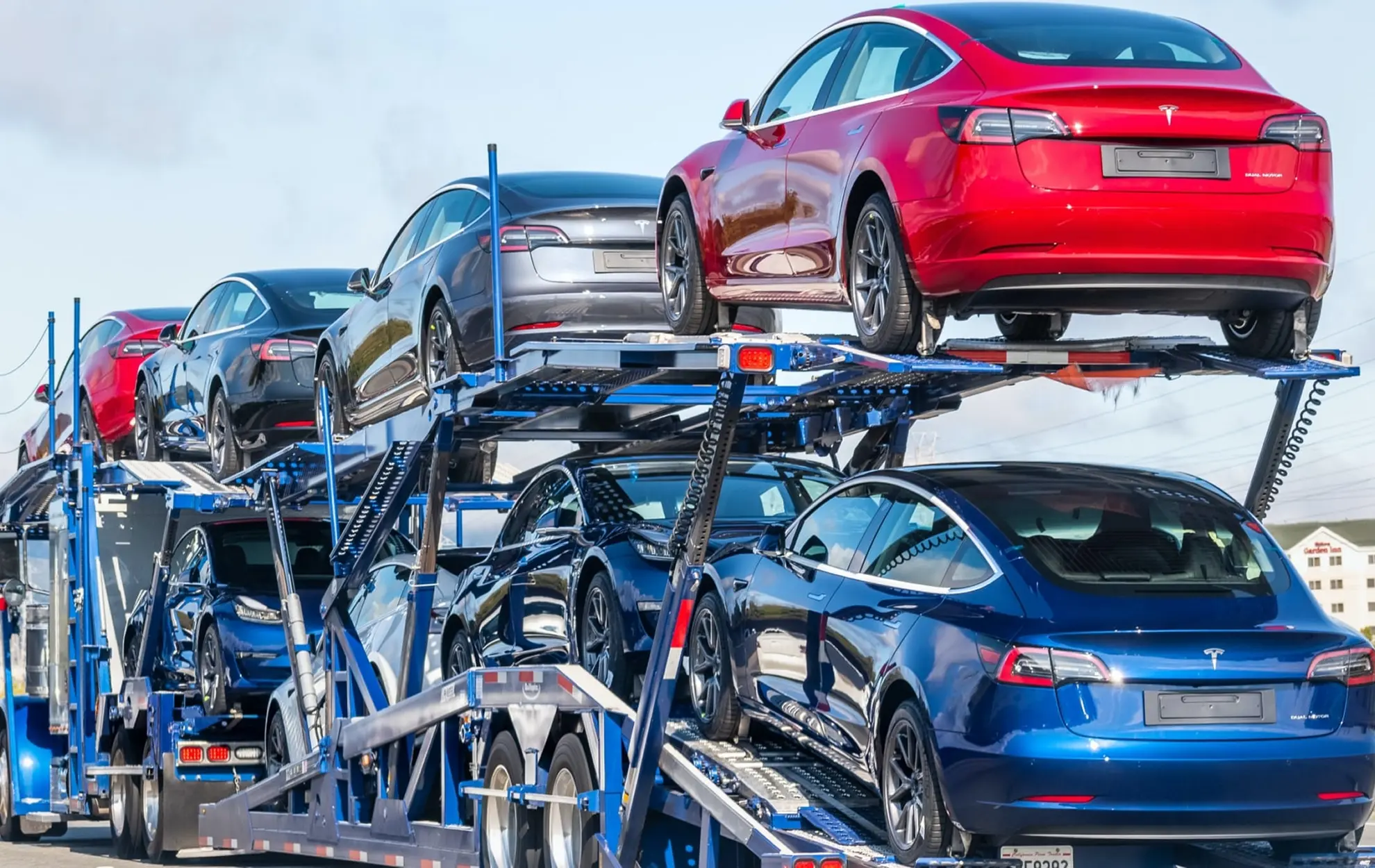
Car shipping from San Francisco, CA to Chicago, IL

Last updated: June 2026

Mike De Candia
Certified by:
Mike De Candia
Mike started working for SAKAEM in 2012 and has been successfully transporting cars ever since.
Pete Bottino
Sakaem is operated by:
Pete Bottino
Pete has been in the transportation industry for nearly 40 years and launched SAKAEM back in 2012.
The SAKAEM Price Match

We guarantee to match any price you find. We are experts at finding the best price for your shipment and getting the best value for your money.

SAN FRANCISCO TO CHICAGO

Auto Transport from San Francisco to Chicago

Planning auto transport from San Francisco, CA to Chicago, IL? You're looking at a 2,100-mile cross-country journey that requires careful planning. This guide covers everything you need to know about car shipping between these major cities—from accurate pricing estimates and transit times to choosing the right carrier. Whether you need enclosed trailer shipping or standard transport, we'll help you make the smartest decision for your vehicle and budget.

Average Distance, Time
and Cost

AVG DISTANCE
2,132 mi
AVG TRANSIT TIME
3-7 days
AVG COST
$1150 - $1425
REAL-TIME PRICING DATA

Recent San Francisco, CA to Chicago, IL Shipments

Actual car shipping prices from the last 30 days for routes between San Francisco, CA and Chicago, IL. These represent real customer shipments handled by Sakaem Logistics' verified carrier network.

Live Pricing from Completed Routes Updated: June 2026
Origin Destination Total Cost Trailer Vehicle
Pleasanton, CA Merrillville, IN 1450 Open Car
Sf, CA Aurora, IL 825 Open Car
Alamo, CA Chicago, IL 975 Open SUV
Alamo, CA Chicago, IL 1000 Open SUV
San Francisco, CA Evanston, IL 875 Open Car
Sf, CA Crystal Lake, IL 1175 Open Car
Belmont, CA Oakbrook Terrace, IL 750 Open Car
San Francisco, CA Chicago, IL 825 Open SUV
Livermore, CA Lombard, IL 1000 Open Car
Union City, CA Chicago, IL 925 Open SUV
SAN FRANCISCO, CA TO CHICAGO, IL CAR SHIPPING

Key Takeaways From This Article

TESTIMONIALS

What SAKAEM's Customers are Saying

Google logo
Sakaem Logistics transported my son's Acura from Los Angeles, CA to Waco, Texas in 5 days. Tim, who drove the transport was professional and courteous and kept communications prior to pickup and close to delivery time. Everything went smoothly with no issues. Price was competitive with other firms. I will use Sakaem again and highly recommend them for your transport needs.
Joon Lee
Aug 2022
Google logo
Great experience working with Sakaem, I hired them to transport my son's vehicle from Chicago to Air Force base in Mississippi, vehicle was delivered as expected, driver was flexible with drop off location since he was not able to access into military base. So he arranged with my son to deliver at an outside location. Would work again with Sakaem Logistic in future.
alvaro lopez
Jul 2025
Google logo
I had to move my daughter's car last minute from CA to MI. I thought this would be hard, but Matt made it so easy and stress free! Thank you so much for getting this done so quickly! My car was picked up the next day and delivered safely to my daughter. I HIGHLY recommend this company if ever transporting your car!
Theresa Owens
Jul 2022
WHY CHOOSE SAKAEM?

Let us handle shipping your car from San Francisco to Chicago

EXPERIENCE

Trust the experts with your car relocation. Years of experience mean your vehicle is well taken care of. A strong track record of safety and service lets you relax, knowing your car is in good hands.

TRANSPARENCY

Understand what your quote includes and the quality you're paying for when shipping with a reputable carrier. Fair and transparent pricing lets you confidently book your car transport.

AFFORDABILITY

There are no upfront costs when booking. Don't pay for your service until you receive it. Book your shipment and pay your deposit when the truck is dispatched for pickup.

PERSONALIZED

Have a team ready to assist you with a smooth shipping process. Our team aims to customize your booking to fit your individual needs while addressing your questions and concerns.

COMPREHENSIVE

Enjoy one point of contact from start to finish for a hassle-free shipping process. Your dedicated advisor will expertly guide you through each step for easy auto transport.

INSURED

All carriers are vetted through FMCSA for valid insurance. Trust our experts to select a safe, highly vetted carrier and deliver your vehicle securely to its destination.

KEY FACTORS

Factors that Affect San Francisco, California to Chicago, Illinois Shipping Prices

Distance

The San Francisco to Chicago route spans approximately 2,100 miles, making distance a primary cost factor. Cross-country shipments like this typically range from $900 to $1,500 depending on other variables. The good news? This is one of America's most common shipping corridors, which helps keep prices competitive compared to less-traveled routes of similar length.

Season

Winter (November-February) is typically the cheapest time to ship on this route, with prices dropping 20-30%. Summer (May-September) sees peak pricing as students move, families relocate, and snowbirds head east. Spring and fall offer moderate rates. If your timeline is flexible, shipping in winter can mean significant savings—just ensure your carrier is experienced with winter driving conditions.

Route

You're in luck with this route. The San Francisco to Chicago corridor follows major interstates (I-80 primarily), which is one of the busiest shipping lanes in the country. This means lower costs, more available carriers, and faster delivery times compared to routes through remote areas. Major highway routes like this one can save you 15-25% compared to off-the-beaten-path destinations.

Vehicle Type

Sedans and compact cars are the cheapest to ship on this route. SUVs, trucks, and larger vehicles cost 30-40% more due to their weight (higher fuel costs) and size (taking up more trailer space). Oversized vehicles like lifted trucks may require special arrangements. If you're shipping a standard sedan, you'll get the best rates and fastest pickup times.

Traffic Considerations

Avoid shipping during major holiday periods, especially Thanksgiving week and the Christmas-New Year stretch. These are the busiest times on I-80, causing delays and higher prices. Similarly, late August sees heavy traffic from college students moving. Book 2-3 weeks ahead during normal periods, but allow 4-6 weeks during peak times to secure reasonable rates.

Carrier Availability

The San Francisco-Chicago route has excellent carrier availability year-round since it's a major corridor. During off-peak months (January-March), you can often find a carrier within 3-5 days. Peak season (June-August) may require 1-2 weeks for pickup. The high volume of carriers running this route works in your favor—competition keeps prices fair and pickup windows short.

Population Density

Both San Francisco and Chicago are dense urban areas, which can affect pickup and delivery. In San Francisco, navigating hilly streets and tight parking can add $50-100 to costs. In Chicago, downtown delivery may incur similar fees. Consider meeting your carrier in accessible suburbs like Daly City (SF area) or Naperville (Chicago area) to save money and simplify logistics. Carriers prefer locations with easy truck access and parking.

Tips & Tricks for Saving on Vehicle Shipping

1

Off Season Savings

Timing matters when shipping from San Francisco to Chicago. Avoid peak snowbird season (October-November and March-April) when demand spikes. Even shifting your shipment by a few weeks during slower periods can significantly reduce costs and improve carrier availability.

2

Flexible pickup & delivery

Carriers prefer accessible locations near major highways like I-80 or I-90. Meeting your driver at a shopping center or truck-friendly area beats navigating narrow San Francisco streets or Chicago neighborhoods. This flexibility can lower your quote considerably.

3

Hub city advantages

Both San Francisco and Chicago sit at major highway intersections, giving you natural pricing advantages. Staying near I-80, I-280, or I-94 corridors maximizes carrier options and competition. More available routes mean better rates for your cross-country shipment.

4

Weather considerations

Winter shipping across I-80 through the Sierras and Rockies to Chicago can increase costs due to snow delays and road closures. Summer heat may also slow transit. Spring and fall typically offer the best weather conditions and pricing balance.

5

Booking in advance

Last-minute bookings limit your carrier options and inflate prices. Reserve your San Francisco to Chicago transport 2-4 weeks ahead for best rates. Early booking ensures better availability and gives you time to compare quotes from multiple carriers.

6

Open carrier transport

Open trailers cost significantly less than enclosed options for San Francisco to Chicago routes. Your vehicle gets the same care, just without walls. Reserve enclosed transport for luxury, classic, or high-value vehicles needing extra weather protection.

7

Flexible dates

Offering a five-day pickup and delivery window instead of exact dates gives carriers scheduling freedom. This flexibility translates directly into savings on your San Francisco to Chicago shipment, sometimes reducing costs by 10-15% compared to rigid schedules.

8

Compare quotes

Get multiple quotes from reputable auto transport companies to find the best deal for your San Francisco to Chicago car shipping needs. We will match any competitor's quote.

Moving Insights

Things to Know About Moving from San Francisco to Chicago

Professional auto transport service for city-to-city moves

When planning auto transport from San Francisco, CA to Chicago, IL, understanding state-specific vehicle regulations is essential. Upon arrival in Illinois, you have 90 days to register your vehicle and obtain an Illinois driver's license [Illinois Secretary of State]. California requires smog checks for most vehicles, but Illinois only mandates emissions testing in the Chicago and Metro-East St. Louis areas for gasoline vehicles model year 1996 and newer [Illinois EPA]. Window tinting laws differ significantly: California allows 70% light transmission on front side windows, while Illinois permits only 35% [DMV]. Before car shipping, ensure you have valid insurance that meets Illinois minimum liability requirements of 25/50/20, which differs from California's 15/30/5 coverage [Illinois Department of Insurance].

Chicago's harsh winters require vehicle preparation that San Francisco drivers may not consider. Invest in winter tires for better traction on snow and ice, and consider an engine block heater for extremely cold mornings [NHTSA]. Illinois doesn't require safety inspections, unlike California's stricter standards, making the transition simpler [Illinois Secretary of State]. When coordinating your move, plan your car shipping timeline carefully to allow for registration and winterization upon arrival. Understanding these regulatory differences ensures a smooth transition from California to Illinois roads.

For more local details, see our full Chicago car shipping guide or browse car shipping services across Illinois.

FREQUENTLY ASKED QUESTIONS

San Francisco, California to Chicago, Illinois Vehicle Transport FAQs

Our team has been in the car shipping industry for a long time. We worked for some of the largest brokers and knew there was a better way to do things.

So we set out to create a company that would be different. We want to walk you through how the process works and we guarantee to match any price you hear from a competitor.

We're a scrappy team that looks forward to earning your business.

Preparing your vehicle properly for the cross-country journey from San Francisco to Chicago ensures a smooth transport experience. Start by giving your car a thorough cleaning, both inside and out—this makes it easier to document any pre-existing damage during the inspection process.

Remove all personal belongings from the interior, including toll transponders (like FasTrak), garage door openers, and any loose items that could shift during transit. Carriers typically aren't insured for personal property inside the vehicle. Take off or secure any external accessories like bike racks, spoilers, or antenna toppers that could be damaged on the road.

Make sure your car is in good working condition with properly inflated tires and about a quarter tank of gas—enough to drive on and off the carrier, but not so much that it adds unnecessary weight. Disable any alarm systems to prevent them from going off during transport.

Finally, document your vehicle's condition with photos from multiple angles and note any existing scratches or dents. Have a set of keys ready for the driver, and ensure you have the necessary car shipping documents prepared. For a complete checklist and additional tips, visit our comprehensive car shipping guide.

Yes, your vehicle is insured during transport from San Francisco to Chicago. At Sakaem Logistics, we require all carriers to maintain a minimum of $1,000,000 in liability insurance and $100,000 in cargo insurance. Before your shipment begins, we verify that the carrier's insurance policy is current and in good standing.

This coverage protects your vehicle against damage that may occur during loading, transport, and unloading. The carrier's insurance acts as your primary protection throughout the journey from California to Illinois.

Before your vehicle ships, you'll receive a copy of the carrier's insurance certificate for your records. We also recommend reviewing your personal auto insurance policy, as some policies provide additional coverage during transport. You can learn more about insurance requirements in our guide on valid insurance for car shipping.

If you have questions about coverage or need clarification on the insurance documentation, our team is here to help every step of the way.

We recommend scheduling your pickup from San Francisco at least 1-2 weeks in advance for the best results. This gives carriers enough time to plan efficient routes and bundle your vehicle with other shipments heading toward Chicago, which helps keep costs down.

That said, the earlier you book, the better. Posting your shipment 3-4 weeks ahead gives you access to more carrier options and increases your chances of securing a competitive rate. If you're on a tight timeline, Expedited Car Shipping Services are available, though they typically cost more.

Keep in mind that San Francisco to Chicago is a popular cross-country route (roughly 2,100 miles), so carriers run it regularly. However, during peak moving seasons—typically summer months and around holidays—demand increases significantly. During these times, we strongly suggest booking at least 3 weeks out to avoid delays or limited availability.

We accept all forms of payment. We can arrange credit cards or arrange for you to pay the carrier directly through cash/certified check. We even accept payment via Cash/Zelle/Venmo.

Your shipment with SAKAEM includes up to 100 lbs of personal items or household goods stored in the trunk area or secured below the window line. If your shipment includes ocean transit (Hawaii shipments), your vehicle must be emptied of all items. SAKAEM and your assigned carrier are not responsible for personal items left inside your vehicle. See our car shipping guide for more details.

A designated (adult) must be present at pickup and delivery. This designated person plays an important role in the shipping process including documenting the state of the vehicle and signing the Bill of Lading, which acts as a receipt of the vehicle's condition.

When shipping your car from San Francisco to Chicago, you'll choose between two main transport methods: open and enclosed auto transport. Here's what sets them apart:

Open Auto Transport is the most popular and economical option. Your vehicle is loaded onto an open-air trailer (the kind you see on highways carrying multiple cars). While your car is exposed to weather and road elements during the 2,000+ mile journey, this method is safe, reliable, and used for about 90% of all vehicle shipments. It typically costs 40-60% less than enclosed transport.

Enclosed Auto Transport ships your vehicle inside a fully covered trailer, protecting it from weather, road debris, and dust. This premium service costs at least 50% more than open transport, but it's worth considering if you're shipping a luxury vehicle, classic car, exotic sports car, or any vehicle with custom paint or modifications. Enclosed trailer shipping also offers added peace of mind for high-value vehicles where even minor cosmetic damage could be costly.

Which should you choose? For most daily-driver vehicles, open transport offers excellent value and protection. Reserve enclosed transport for vehicles worth $75,000+ or those requiring maximum protection. Both options require valid insurance coverage during transit.

Yes! We offer door-to-door auto transport service from San Francisco, CA to Chicago, IL, and it's our most popular shipping option. This means we'll pick up your vehicle from your home, office, or any address you specify in the San Francisco area and deliver it directly to your desired location in Chicago.

When you book your shipment, simply provide us with your preferred pickup and delivery addresses. Our assigned carrier will coordinate with you to schedule a convenient time for both pickup and drop-off. In most cases, the carrier can access residential streets and driveways without any issues.

However, if your location has restrictions—such as narrow streets, low-hanging trees, weight limits, or HOA regulations—the driver may need to meet you at a nearby alternative location like a large parking lot, shopping center, or gas station. This is simply because car carrier trucks are quite large (similar to an 18-wheeler) and need adequate space to safely load and unload vehicles. Don't worry though; your driver will work directly with you to find the most convenient nearby spot if your exact address isn't accessible.

Door-to-door service provides maximum convenience and eliminates the need for you to drop off or pick up your vehicle at a terminal. If you're ready to get started, check out our guide on how to ship a car to learn more about the process from start to finish.

We transport sedans, SUVs, pickup trucks, electric vehicles, vans and motorcycles across all 48 continental states + Hawaii. Our services even provide shipment for golf carts, ATVs, or RVs. We can ship vehicles that don't run so long as the vehicle can roll, brake, and steer, and that you can provide the carrier with a key to the vehicle. The only exception is boats, which we do not transport.

See our car shipping guide to learn more about car shipping!

Car Shipping 101

How Auto Transport Works

If you're new to car shipping from San Francisco, CA to Chicago, IL, understanding the process is simple. The auto transport industry has two main players: brokers and carriers. Brokers like Sakaem Logistics connect you with carriers, while carriers are the companies with trucks that physically transport your vehicle. Working with a reputable broker is essential because they vet carriers for proper licensing, insurance, and customer reviews, ensuring your car is in safe hands for the 2,132-mile journey.


The car shipping process starts when you contact a broker like Sakaem Logistics for a quote. Once you accept the quote, the broker searches their network to find a qualified carrier for your San Francisco, CA to Chicago, IL route. After a carrier is assigned, they'll contact you to schedule a pickup time and location. The carrier will inspect your vehicle, document its condition, and load it onto their truck. During transit, which typically takes 3-7 days, your car will be transported across the country. Upon arrival in Chicago, the carrier will deliver your vehicle, conduct a final inspection with you, and you'll complete payment to either the broker or carrier, depending on your agreement.


Before your auto transport begins, there are important preparation steps to follow. Remove all personal belongings from your car, as carriers aren't insured for items left inside. Your vehicle must be in rolling condition—meaning it can shift into neutral and roll freely. Keep your gas tank at about a quarter full; this provides enough fuel for loading and unloading without adding unnecessary weight. If you're shipping a luxury or classic vehicle, consider enclosed trailer shipping for maximum protection against weather and road debris. For more detailed guidance, visit our comprehensive How To Ship A Car guide.


Industry Resources: FMCSA Carrier Lookup · U.S. Department of Transportation · SAKAEM Logistics on BBB · NHTSA