
Hot shot car hauling exists for one reason: speed. When you need a vehicle picked up tomorrow instead of next week, a hot shot hauler moves one to three vehicles on a smaller truck-and-trailer setup and heads straight for your destination — rather than waiting days for a full multi-car carrier to fill its route. That speed and flexibility make it a popular choice for urgent moves, single-vehicle shipments, and destinations big rigs struggle to reach. But it isn’t the right answer for every shipment, and on some routes it’s neither the fastest nor the cheapest option — this guide covers exactly when it fits and when it doesn’t.
This guide explains exactly what hot shot car hauling is, how the service works, what it costs in 2026, and where it does and does not make sense. SAKAEM Logistics is an FMCSA-licensed auto transport broker (MC-16237) that has coordinated more than 300,000 vehicle shipments since 2017, including expedited moves, so the comparisons below reflect what actually happens on the road, not marketing claims.
Key Takeaways
- Hot shot car hauling moves one to three vehicles on a smaller pickup-and-trailer rig built for speed and flexibility.
- Pickup is usually faster than standard transport, often within one to three days of booking.
- Hot shot rates run higher per mile than standard open transport because fewer vehicles share the trip.
- On busy interstate lanes, a standard carrier can be just as fast and noticeably cheaper — hot shot wins on urgency and hard-to-reach routes, not everywhere.
- It fits urgent, single-vehicle, short-to-medium, or hard-to-reach moves better than long-haul, multi-car shipments.
What Is Hot Shot Car Hauling?
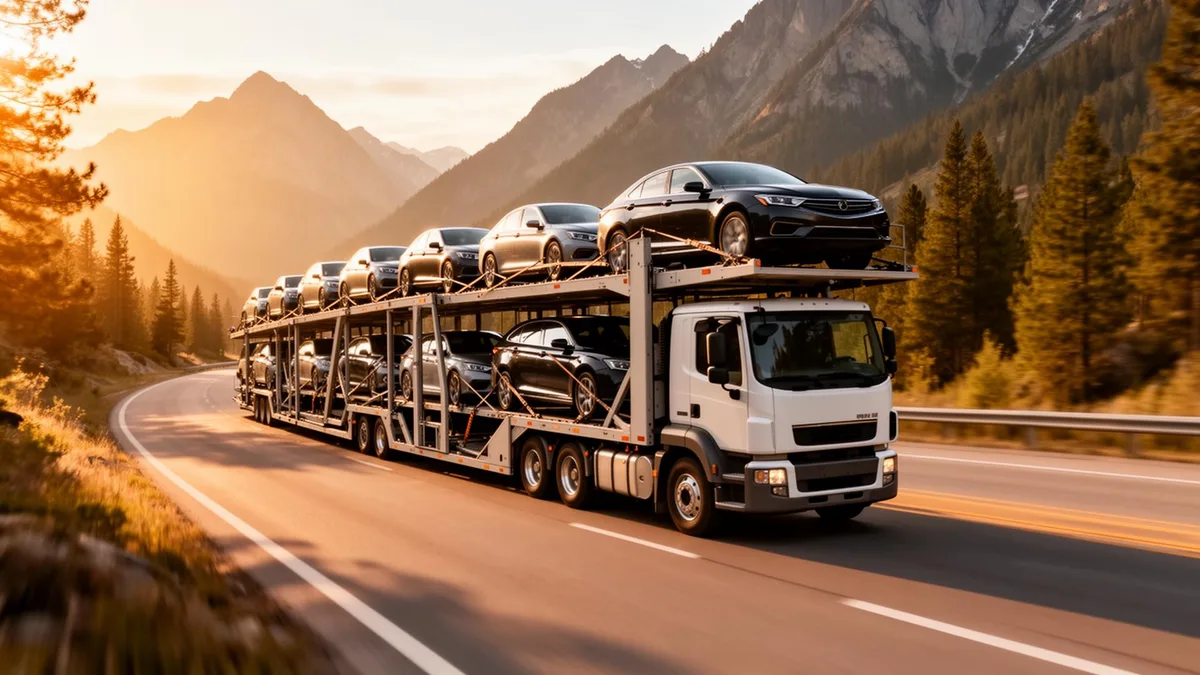
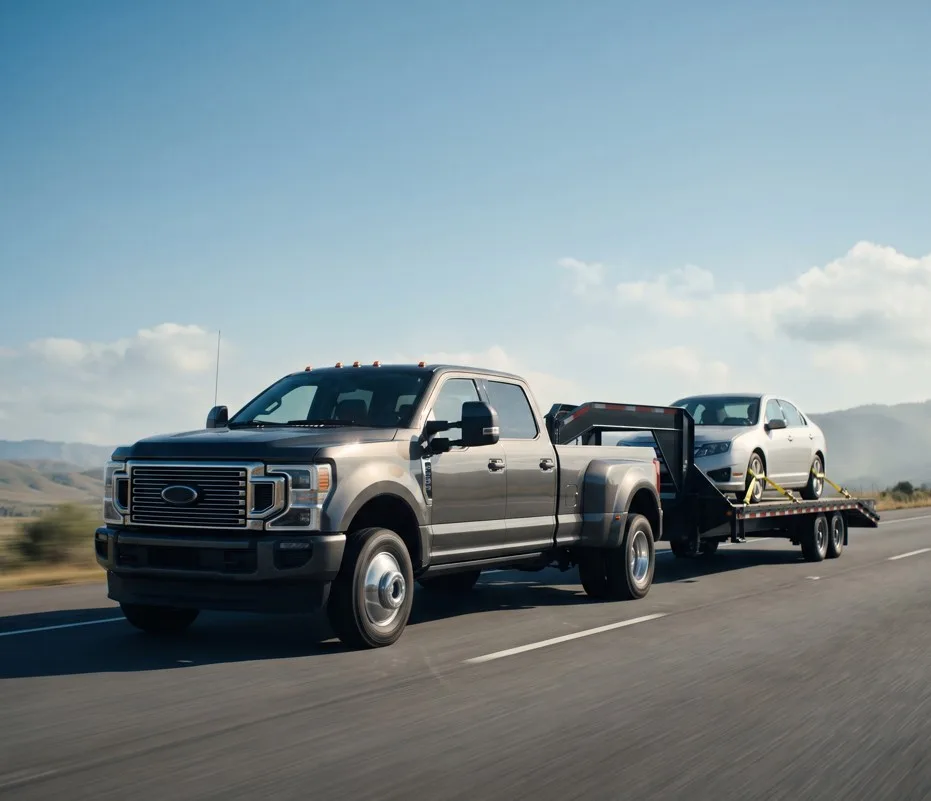
Hot shot car hauling is a form of expedited auto transport that uses a medium-duty pickup truck pulling a gooseneck or flatbed trailer, rather than the large multi-level carriers you see hauling new cars to dealerships. A hot shot hauler typically carries one to three vehicles at a time, which lets the driver take direct routes and deliver quickly instead of waiting to fill a ten-car load.
The term came out of the oil industry, where operators ran small, urgent equipment deliveries on demand. In auto transport it now describes the same idea applied to cars: a nimble, time-sensitive alternative to traditional shipping. Because most hot shot trailers are open, vehicles travel exposed to the weather the same way they would on a standard open carrier, though some operators run enclosed setups for higher-value cars.
How Does Hot Shot Car Hauling Work?
The process mirrors standard car shipping, just on a faster, smaller scale.
Scheduling a Haul
You provide the pickup and delivery locations, the vehicle details, and your timing, then receive a quote based on current market rates for that route. Because hot shot capacity is smaller and demand-driven, booking early helps lock in a driver, but the trade-off is that pickup windows are usually shorter than standard transport.
During Transport
The driver loads your vehicle, secures it with wheel straps or soft ties, and heads directly toward the destination. With only one to three cars on the trailer, there are fewer stops along the way, which is what keeps transit times short. Your SAKAEM coordinator stays in contact and passes along status updates from pickup through delivery.
Destination Delivery
Most hot shot moves are door-to-door, meaning the driver brings the vehicle as close to your address as the truck can safely and legally get. You inspect the car against the bill of lading, note anything new, sign off, and the shipment is complete.
Types of Hot Shot Trucks
Hot shot haulers are classified by the truck’s gross vehicle weight rating, which determines how much they can legally carry. Three classes do most of the work.
- Class 3 trucks (10,001 to 14,000 lbs) are the lightest, such as a Ram 3500 or Ford F-350, and usually handle a single car or light load.
- Class 4 trucks (14,001 to 16,000 lbs) step up capacity and are common for one to two vehicles.
- Class 5 trucks (16,001 to 19,500 lbs), like an F-550, pull the largest hot shot loads, often two to three vehicles on a longer gooseneck trailer.
The most common rig is a one-ton dually pickup paired with a gooseneck or flatbed trailer, which balances capacity, fuel economy, and maneuverability.
One regulatory detail worth knowing: once a loaded hot shot rig’s gross combined weight rating (GCWR) exceeds 26,001 pounds, the driver is federally required to hold a commercial driver’s license (CDL) and stop at weigh stations — the same standard a large carrier meets. It’s a useful tell of a legitimate operator, because the hot shot market also attracts independent drivers who try to run under-licensed or under-insured. A reputable broker only assigns operators who carry the licensing and insurance their setup legally requires — the same vetting standard Reddit’s car shipping threads tell shoppers to demand from any company.
Hot Shot vs. Traditional Auto Transport
Hot shot is not better or worse than standard transport; it is a different tool for a different job. The table below shows how it compares with traditional open and enclosed carriers.
| Factor | Hot Shot | Traditional Open | Traditional Enclosed |
|---|---|---|---|
| Typical rig | 1-ton dually + gooseneck/flatbed | Multi-level open hauler | Enclosed trailer |
| Vehicles per load | 1–3 | 7–10 | 2–6 |
| Pickup speed | Fastest (1–3 days) | 1–5 days | 3–10 days |
| Cost per mile | Higher | Lowest | Highest |
| Weather exposure | Usually exposed | Exposed | Fully protected |
| Best for | Urgent, single-car, short/rural hauls | Everyday cars, long distance | Luxury, classic, high-value |
How Much Does Hot Shot Car Hauling Cost?
Hot shot car hauling generally runs about $1 to $2 per mile, which is higher per mile than standard open transport because the cost of the trip is spread across only one to three vehicles instead of seven to ten. On a 1,000-mile move, that often works out to roughly $1,000 to $1,800, versus a lower figure for a standard open carrier on the same lane.
Several factors move the price: distance, vehicle size and weight, route accessibility, fuel prices, and how quickly you need pickup. Like all auto transport, hot shot pricing is set by current market supply and demand, not a fixed rate card, so the most accurate number always comes from a route-specific quote. For a full breakdown of what drives auto transport pricing, see our cost to ship a car guide.
Hot shot isn’t always the fastest — or the cheapest
Contrary to what many people assume, hot shot is not automatically the quickest option on every route. On major interstate corridors where large carriers run daily, a traditional multi-car transporter can often pick up just as fast — and for significantly less — because it already has trucks moving that lane. Hot shot’s real advantage shows up on urgent timelines, single-vehicle moves, and routes or addresses that big carriers serve slowly or not at all. On a high-traffic lane with a flexible schedule, standard open transport usually wins on both price and speed.
Pros of Using Hot Shot Car Hauling
Hot shot shines when speed and access matter more than getting the lowest possible price.
- Faster pickup and delivery, often within one to three days, which suits urgent or last-minute moves.
- Flexible scheduling, since smaller operations can adjust to your timing more easily than a full carrier route.
- Access to tight or rural locations that large multi-car haulers cannot reach.
- Direct routing, because fewer vehicles on board means fewer stops and less time in transit.
Hot Shot Car Hauling Drawbacks
The same traits that make hot shot fast also create real trade-offs worth weighing.
- Higher cost per mile, especially on long-distance moves where a multi-car carrier is far more economical.
- Limited capacity, so it is not built for shipping multiple vehicles at once.
- Weather exposure, since most hot shot trailers are open, the same as a standard open carrier.
- Availability can vary, because hot shot capacity is smaller and depends on operators running your route.
Don’t use hot shot if you’re:
- Shipping cross-country on a flexible timeline — a standard carrier is cheaper and often just as quick.
- Moving five or more vehicles — capacity tops out at one to three.
- Trying to minimize cost above all else.
- Shipping a vehicle where full weather protection matters more than pickup speed — that’s an enclosed transport job.
Is Hot Shot Car Hauling Right for You?
Hot shot car hauling is the right call when you need a single vehicle moved quickly, you are shipping to or from a hard-to-reach area, or your timeline is tighter than standard transport can promise. For long-distance moves on common routes, or when budget matters more than speed, a traditional open carrier usually delivers better value. The quick way to decide:
| If your priority is… | Best option |
|---|---|
| Lowest cost | Standard open transport |
| Fastest pickup | Hot shot |
| Hard-to-reach or rural address | Hot shot |
| A single car on an urgent deadline | Hot shot |
| Cross-country savings on a flexible schedule | Standard open transport |
| Maximum protection (luxury, classic, exotic) | Enclosed transport |
SAKAEM Logistics is a broker, not a carrier, so rather than locking you into one truck type, we match your shipment to the right vetted carrier in our network, including expedited options. Because the hot shot market includes so many independent owner-operators, vetting matters more here than almost anywhere — we verify every carrier’s active FMCSA authority, insurance, and safety record before assigning your vehicle. If speed is your priority, our expedited car shipping service is the most direct path. Get a free quote and you will see a real, market-based price with no upfront payment and a dedicated coordinator from pickup to delivery.
Hot Shot Car Hauling FAQ
Does hot shot car hauling include door-to-door service?
Yes. Most hot shot moves are door-to-door, meaning the driver picks up and delivers as close to your address as the truck can safely and legally reach. In dense urban areas or narrow streets, you may meet the driver at a nearby accessible spot.
What types of vehicles can hot shot car hauling transport?
Hot shot haulers can carry standard cars, SUVs, and light trucks, and depending on the rig, some can handle oversized or specialty vehicles. Because capacity is limited to one to three vehicles, it is best suited to single-vehicle shipments rather than large multi-car moves.
Can I put personal items inside my vehicle during transport?
Most carriers allow up to about 100 pounds of personal items kept in the trunk and below the window line. Belongings are not covered by the carrier’s cargo insurance, so anything valuable should travel with you separately.
How can I track my vehicle shipment?
With SAKAEM, your dedicated coordinator gives you status updates from pickup through delivery and is reachable whenever you have a question. Many hot shot operators are independent drivers, so a direct point of contact through your coordinator is the most reliable way to stay informed.
How fast is hot shot car hauling?
Hot shot is one of the fastest auto transport options. Pickup often happens within one to three days of booking, and with fewer vehicles and direct routing, transit times are typically shorter than standard multi-car transport on the same route.
Is hot shot car hauling more expensive than regular auto transport?
Per mile, yes. Hot shot rates run higher because the trip cost is shared by only one to three vehicles instead of a full load. For urgent or hard-to-reach shipments the speed can be worth it, but for routine long-distance moves a standard open carrier is more economical.
Is hot shot car hauling safe?
When handled by a properly licensed and insured operator, hot shot transport is safe. SAKAEM verifies every carrier’s active USDOT and MC authority, insurance, and safety record before assigning a shipment, the same vetting we apply to every move. Learn how to spot a trustworthy hauler in our guide on avoiding auto transport scams.
Is my vehicle insured during hot shot transport?
Yes. Every FMCSA-licensed carrier must carry cargo insurance that covers your vehicle in transit. SAKAEM confirms each carrier’s coverage before pickup, and you can request the certificate of insurance for your assigned driver.
Bottom Line
Hot shot car hauling trades the low cost of a full carrier for speed, flexibility, and access. It is an excellent fit for urgent, single-vehicle, or hard-to-reach shipments, and a less efficient choice for routine long-distance moves where a traditional open carrier wins on price. Because SAKAEM Logistics is a vetting broker rather than a single carrier, we help you weigh the trade-offs and match your move to the right option. When speed matters, request a free quote and a dedicated coordinator will handle the rest.